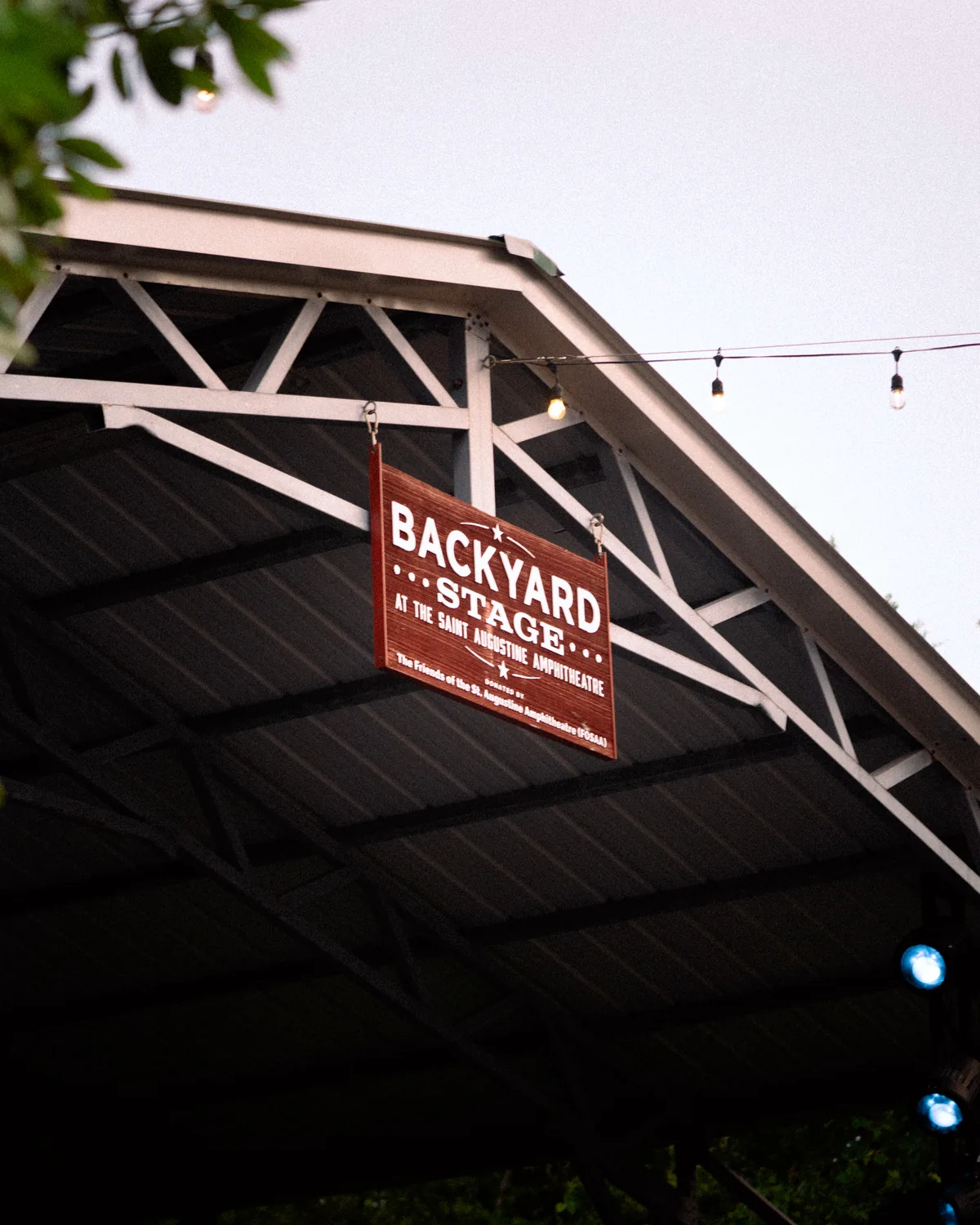
There is no city in Florida — and very few in the United States — with the architectural depth of St. Augustine. A 450-year-old city doesn't just accumulate history. It accumulates built history: layers of construction, renovation, adaptation, and preservation that produce an environment of extraordinary visual complexity.
Shooting that environment well is a genuine specialty. The techniques that work for a modern commercial building don't translate to a 19th-century courtyard hotel. The approach that produces great images of a contemporary office interior won't serve a Flagler-era landmark. Historic architecture has its own visual logic — and understanding it is the difference between photography that honors the character of a space and photography that technically documents it while missing what makes it extraordinary.
The Specific Challenges of Historic Interior Photography
Mixed light sources
Historic buildings were not designed with photography in mind. They were designed with gaslight, candlelight, and eventually incandescent light in mind. The large windows of the Gilded Age, the thick walls and small openings of the Spanish Colonial period, the ornate chandeliers of the hotel era — these all produce lighting environments that are beautiful to the eye and challenging to the camera.
The challenge is managing the relationship between natural light coming through windows and artificial light inside the space — two sources that are often dramatically different in color temperature and intensity. Getting this right requires either technical solutions (bracketing, HDR approaches, careful flash work) or timing decisions (shooting when the natural light is right for the space) that only come from knowing the building well.
Scale and proportion
Historic spaces were often built to impress. The grand lobbies, the double-height ceilings, the sweeping staircases of St. Augustine's landmark buildings create scale that's difficult to communicate in a single frame without the right lens choice and the right camera position. Too wide and the space looks distorted. Too tight and you lose the sense of proportion that makes the space remarkable.
Photographing Ponce Hall at Flagler College — to take an example we know well — requires thinking carefully about which elements of the space are essential to communicate and how to position the camera to tell that story accurately. The Tiffany glass. The proportions of the room. The relationship between the interior architecture and the quality of light at a specific time of day. These decisions are made before the camera comes out of the bag.
Preservation and authenticity
For historic properties, there's often an additional dimension to the photography brief: the images need to be accurate. Grant applications, historic preservation documentation, academic research, and legal records all require photography that represents the property as it actually is — not an idealized or manipulated version of it.
This is a different discipline from commercial hospitality photography, which is optimized for conversion. It requires a production approach that prioritizes documentation accuracy alongside aesthetic quality — and a photographer who understands why both matter.
Exterior Photography and the St. Augustine Context
Exterior architectural photography in St. Augustine faces its own set of variables. The crowds in the historic district during peak season. The parked cars on streets that were designed for horses. The power lines that run along streets lined with historic facades. The tourist infrastructure that exists alongside the historic architecture in ways that are sometimes harmonious and sometimes not.
Managing these elements requires either patience (early morning shoots before the crowds arrive, shoulder-season timing) or compositional discipline (finding angles that use the authentic elements of the street scene rather than fighting them). Both require knowing the city and its rhythms in ways that only come from time spent here.
"I've lived in St. Augustine since 2003. We know where the light hits the Castillo de San Marcos at the right angle and when. We know the quiet hour on Aviles Street before the galleries open."
Diego Cerquera, First Sight Films
Diego has lived in St. Augustine since 2003. We know where the light hits the Castillo de San Marcos at the right angle and when. We know the quiet hour on Aviles Street before the galleries open. We know how the quality of winter light in Northeast Florida — lower angle, softer, more golden than the summer sun — changes what's possible with certain buildings at certain times of year.
Who Needs Architectural Photography in St. Augustine
The clients who reach out to us for this work come from a range of backgrounds and with different objectives:
- Historic preservation organizations documenting significant properties for grant applications and public records
- Property owners and developers needing imagery for listings, marketing, and investor presentations
- Academic and research institutions documenting architectural heritage for educational and archival purposes
- Hospitality properties — from historic B&Bs to landmark hotels — that need imagery that communicates the character of their spaces to prospective guests
- Design and architecture firms showcasing completed renovation and restoration projects
- Cultural institutions like Flagler College that need ongoing documentation of their campus and historic facilities
If you have a historic property in St. Augustine or the broader Northeast Florida region that needs to be photographed well — for preservation, for marketing, or for documentation — we'd welcome the conversation. We know this city, we know its buildings, and we know how to photograph them in a way that does justice to what they are.