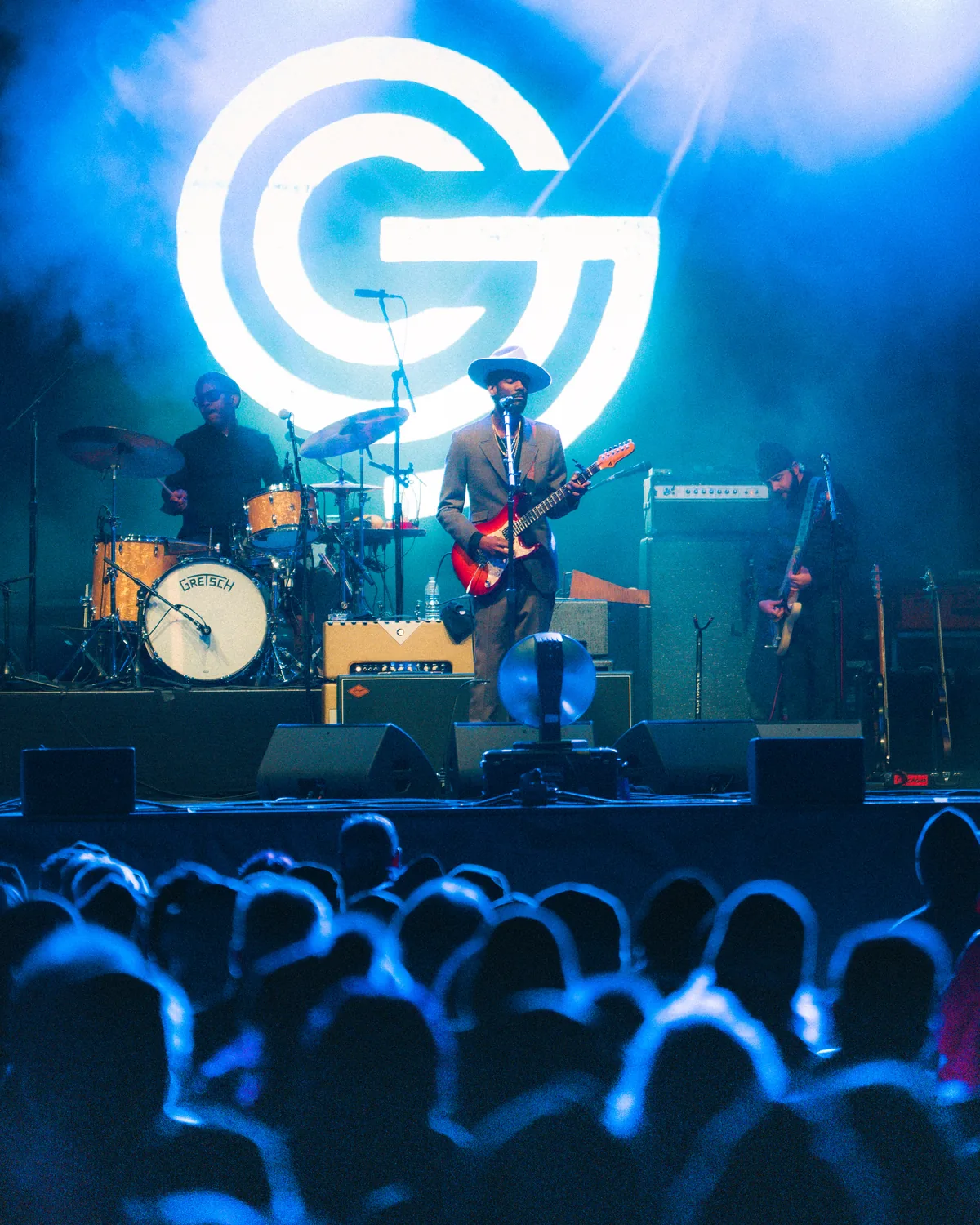
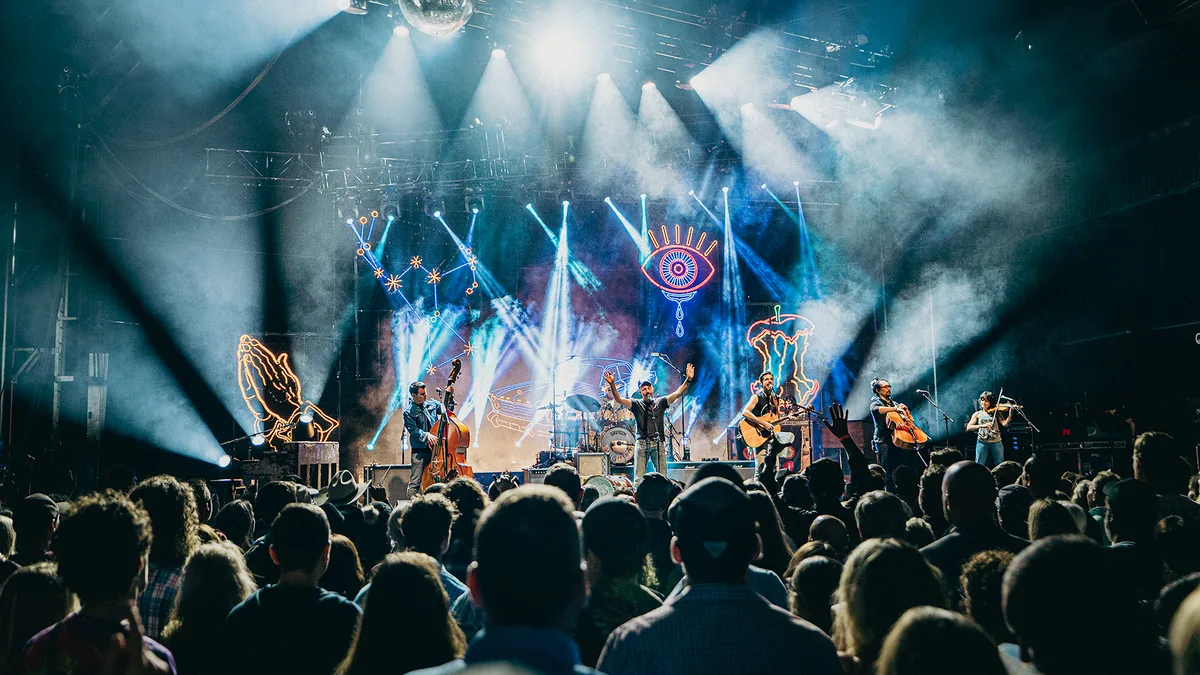
The St. Augustine Amphitheatre is one of the most distinctive live music venues in Florida. Nestled in the historic district, open-air, surrounded by a landscape that changes with the season — it's a venue that has its own personality, and it demands a production approach that honors that.
We've been the production partner for the Amphitheatre for years now, and what that relationship has taught us is that great event documentation is less about gear and more about preparation, relationship, and accumulated knowledge. Here's what actually goes into producing content for a world-class live venue — from the week before a show to the moment the footage gets delivered.
The Week Before: Preparation Is the Product
A lot of production companies show up to a live event with a camera, find a good spot, and start shooting. We don't operate that way.
In the days before a major show, we're thinking through the specific story we want to tell. What's the artist's profile — is this a high-energy act that's going to produce crowd moments from the first song, or is this a slower-burn experience where the emotional peak comes late in the set? What's the weather forecast, and how does it affect our outdoor positioning strategy? What's the expected crowd size and demographic, and how does that shape what we're looking for?
We coordinate with venue staff — not just to get credentials, but to understand the production elements that will affect our work. Where are the lighting cues? Is there a sound board feed available? Are there any restrictions on where we can position during the first few songs? What does the venue need from this content — social, press kit, donor relations, or all three?
That preparation means we walk in already knowing what we're trying to make. Which means we spend our time at the venue making it, rather than figuring it out.
On-Site: Managing a Live Environment
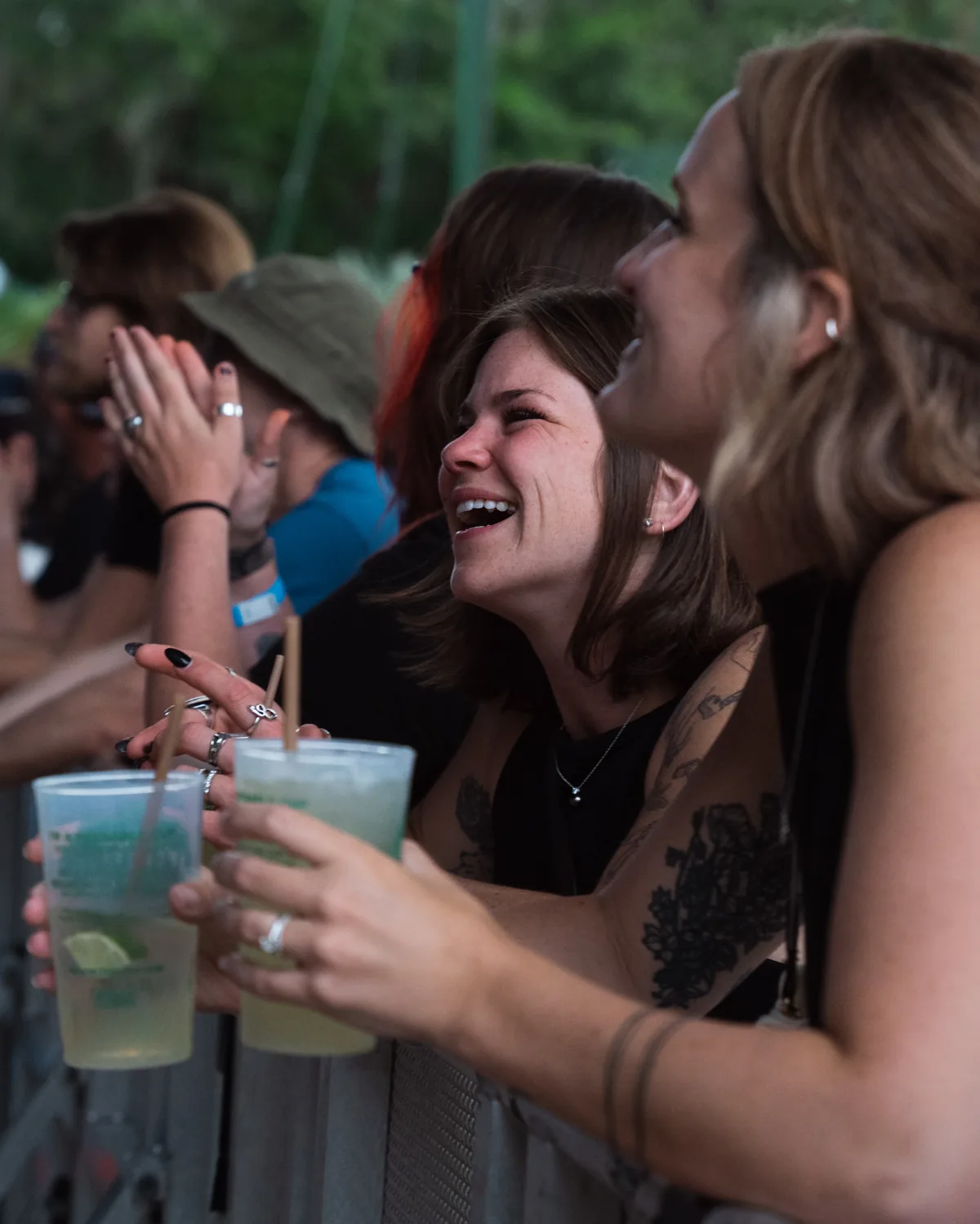
Live event production is genuinely different from any other kind of production work. Nothing is controlled. The light changes. The artist moves. The crowd surges. The best moment of the night happens in a position you didn't anticipate.
Over years of working at the Amphitheatre, we've developed a physical and creative fluency with the venue. We know where the light is flattering and where it goes flat. We know the positions that give you the stage and the crowd in the same frame. We know how the open-air acoustics affect audio capture, and we've developed approaches to outdoor sound that produce clean, usable material.
We move through a live event the way a documentary filmmaker moves through a subject's life — present, observant, and ready for the moment that matters. Not waiting for it. Not manufacturing it. Finding it.
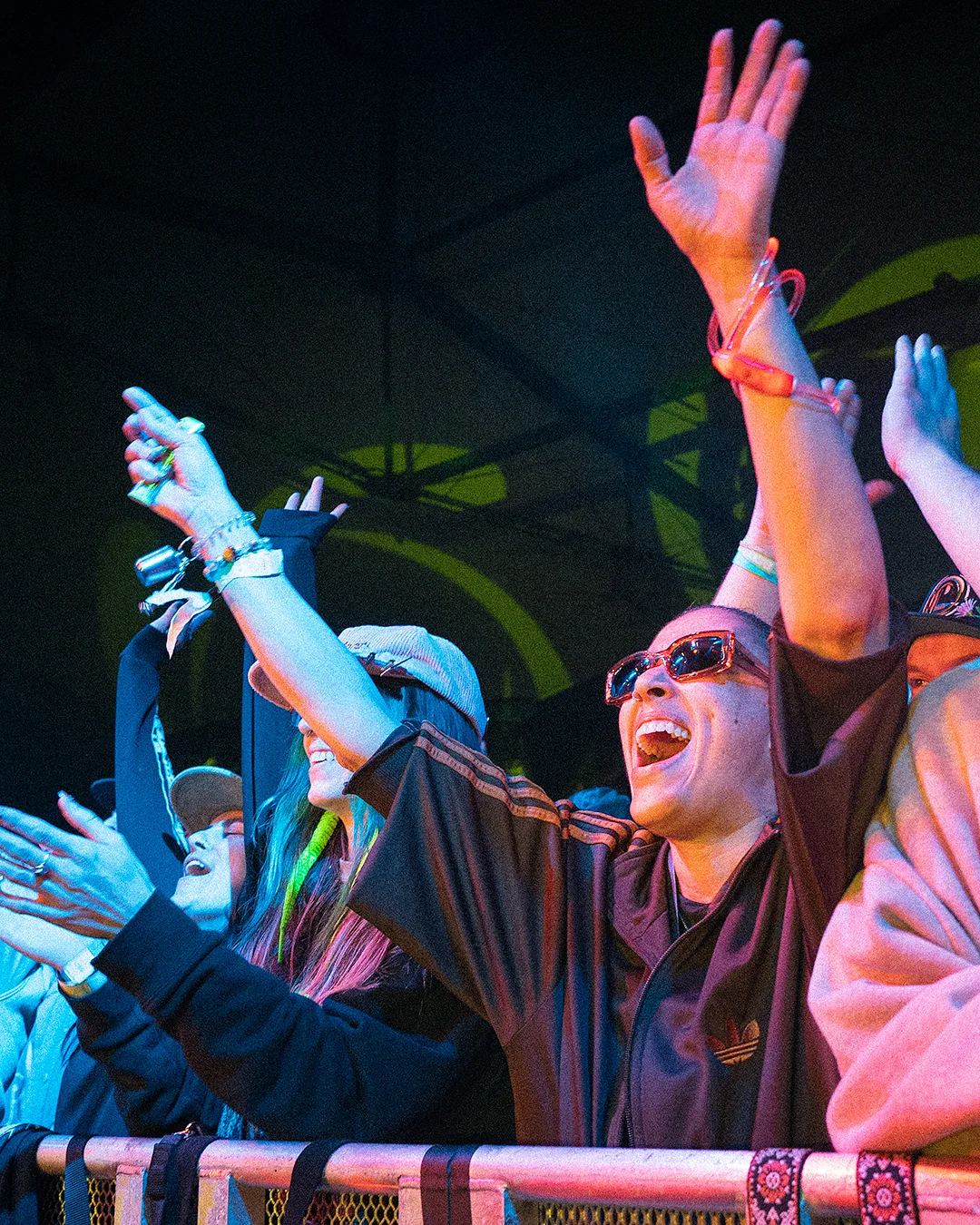
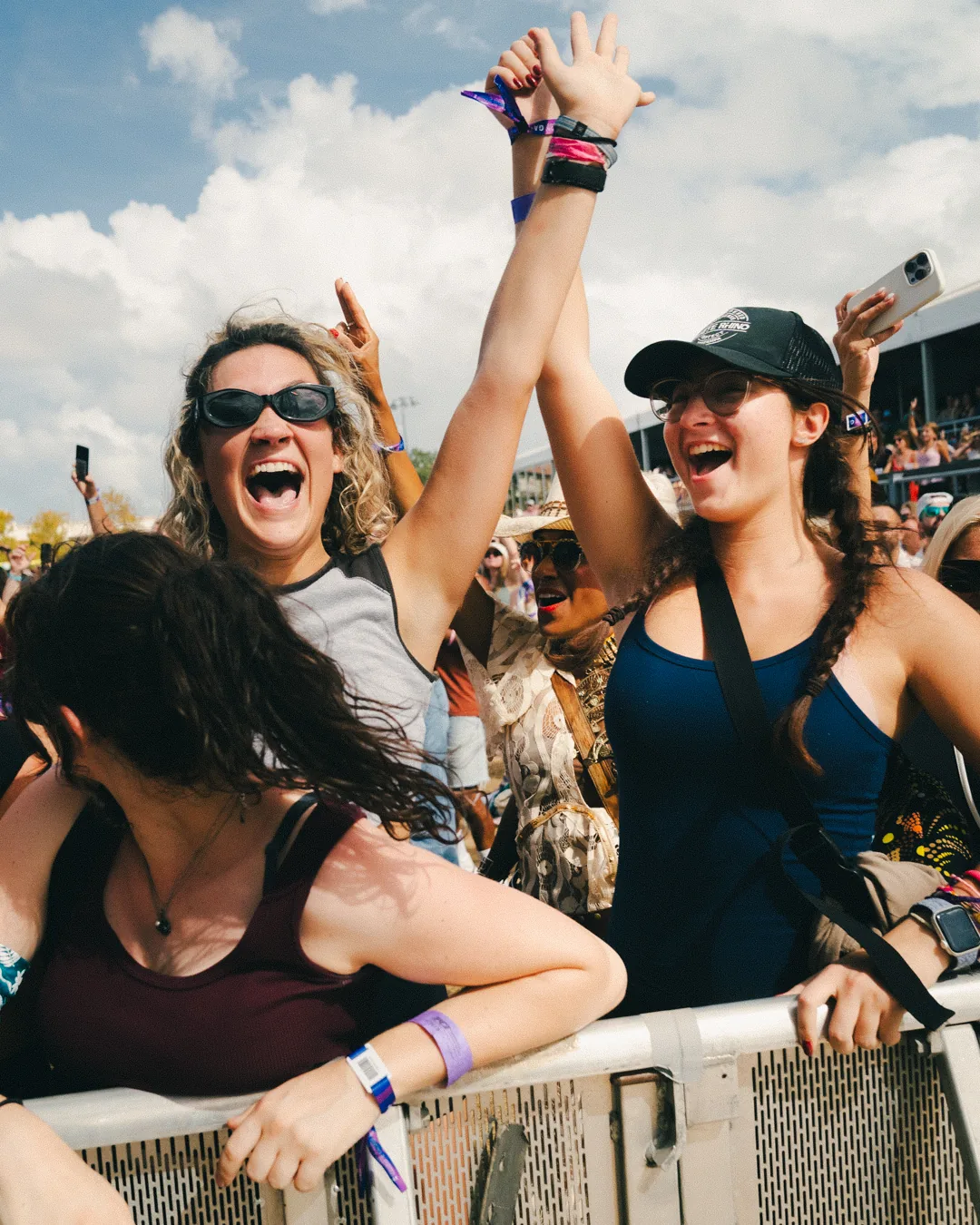
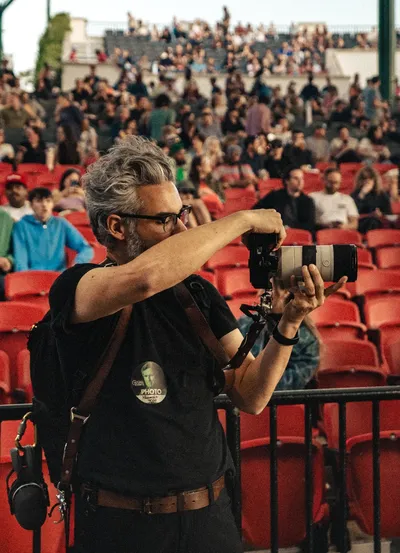
We typically run multiple camera positions for major shows, with clear roles for each position. One operator is anchored for establishing and artist coverage. The other is mobile — working the crowd, looking for the emotional moments, capturing the experience from inside the audience rather than above it.
The Moments That Make the Cut
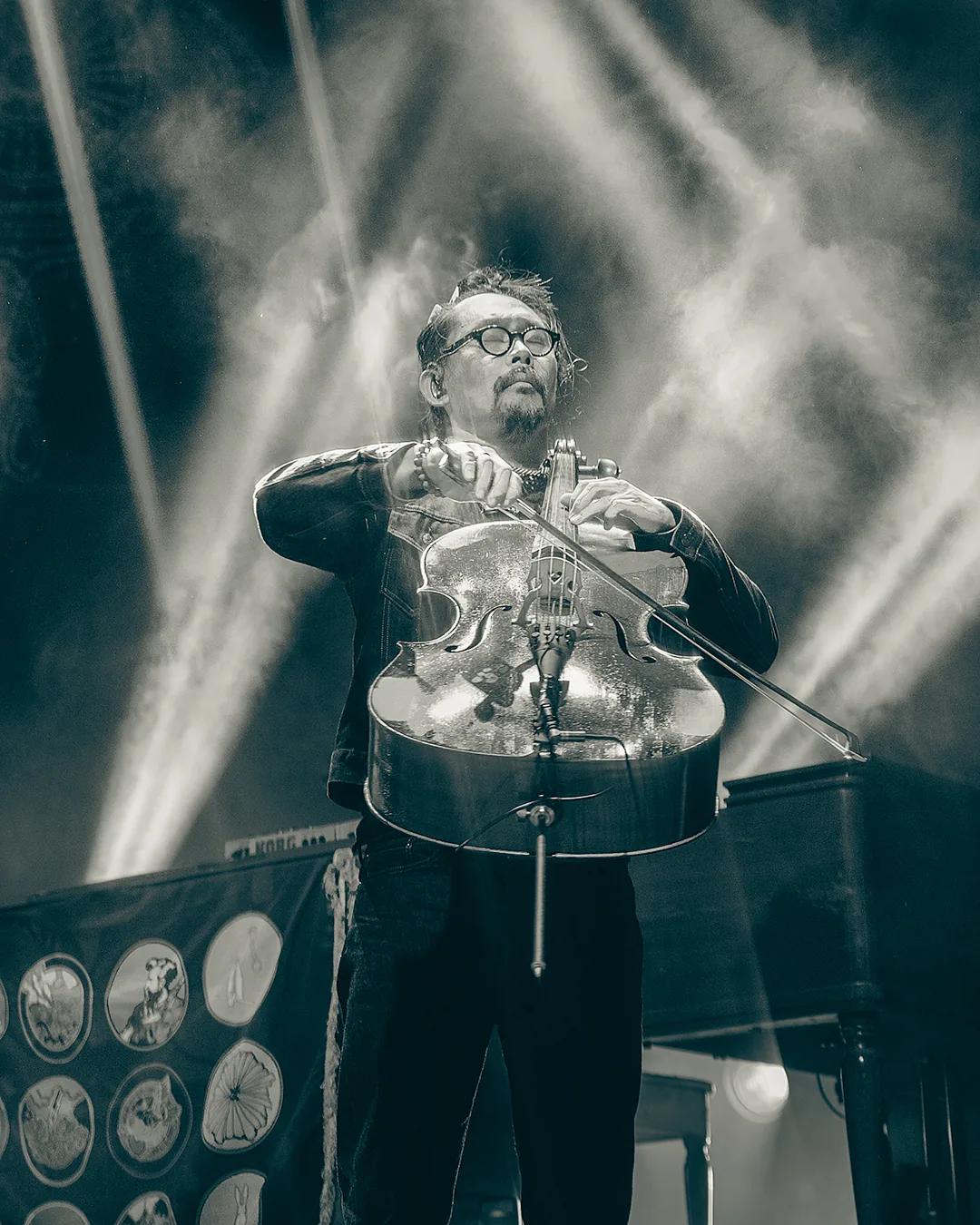
After enough shows, you start to develop a sense for which moments are worth chasing and which are going to disappoint in the edit. Here's what we're always looking for:
- The first song — audiences are most electric at the top of the show. Whatever happens in the first two songs, we want to be ready for it.
- The call-and-response moment — when the artist connects directly with the audience and something genuine happens between them. This is the footage that makes people want to be there.
- The quiet moment — in the middle of a loud show, when the artist pulls back and the audience leans in together. These moments are short and fragile, and missing them means they're gone.
- The closing image — the final shot that gives the viewer something to hold onto. A great closing image does the work of a thousand words of marketing copy.
Post-Production: Where the Story Gets Made
The edit is where the footage becomes a film. And this is where the accumulated knowledge of the venue pays its biggest dividend.
We know the Amphitheatre's visual language. We know the color palette that feels right for that space, and we know how to grade outdoor night footage in a way that keeps the warmth of the show without going muddy or underexposed. We know the pacing that works for the Amphitheatre's audience — slightly different from a club show, different again from a stadium.
We build the edit around an emotional arc, not a timeline. The goal is never to show what happened in order. The goal is to recreate the feeling of being there — compressed into 90 seconds or three minutes, depending on the intended use.
Deliverables are coordinated with the marketing team so they arrive in formats that are immediately ready to publish. No extra conversion step. No back-and-forth about aspect ratios. Content that's ready to work.
What a Long-Term Partnership Produces
The best thing about a long-term production partnership with a venue like the Amphitheatre isn't any individual piece of content. It's the body of work.
Over time, we've built a visual archive of this venue across seasons, across artist types, across audience demographics and energy levels. That archive is an asset — for marketing, for press, for grant applications, for the kind of institutional storytelling that communicates to potential partners and sponsors what the Amphitheatre really is.
That kind of depth only comes from sustained presence. From showing up again and again, knowing the space better each time, getting closer to the real story of what this venue is and why it matters.
"We move through a live event the way a documentary filmmaker moves through a subject's life — present, observant, and ready for the moment that matters."
Diego Cerquera, First Sight Films
First Sight Films is the production partner for the St. Augustine Amphitheatre. If your venue is ready for that kind of relationship, let's start the conversation.