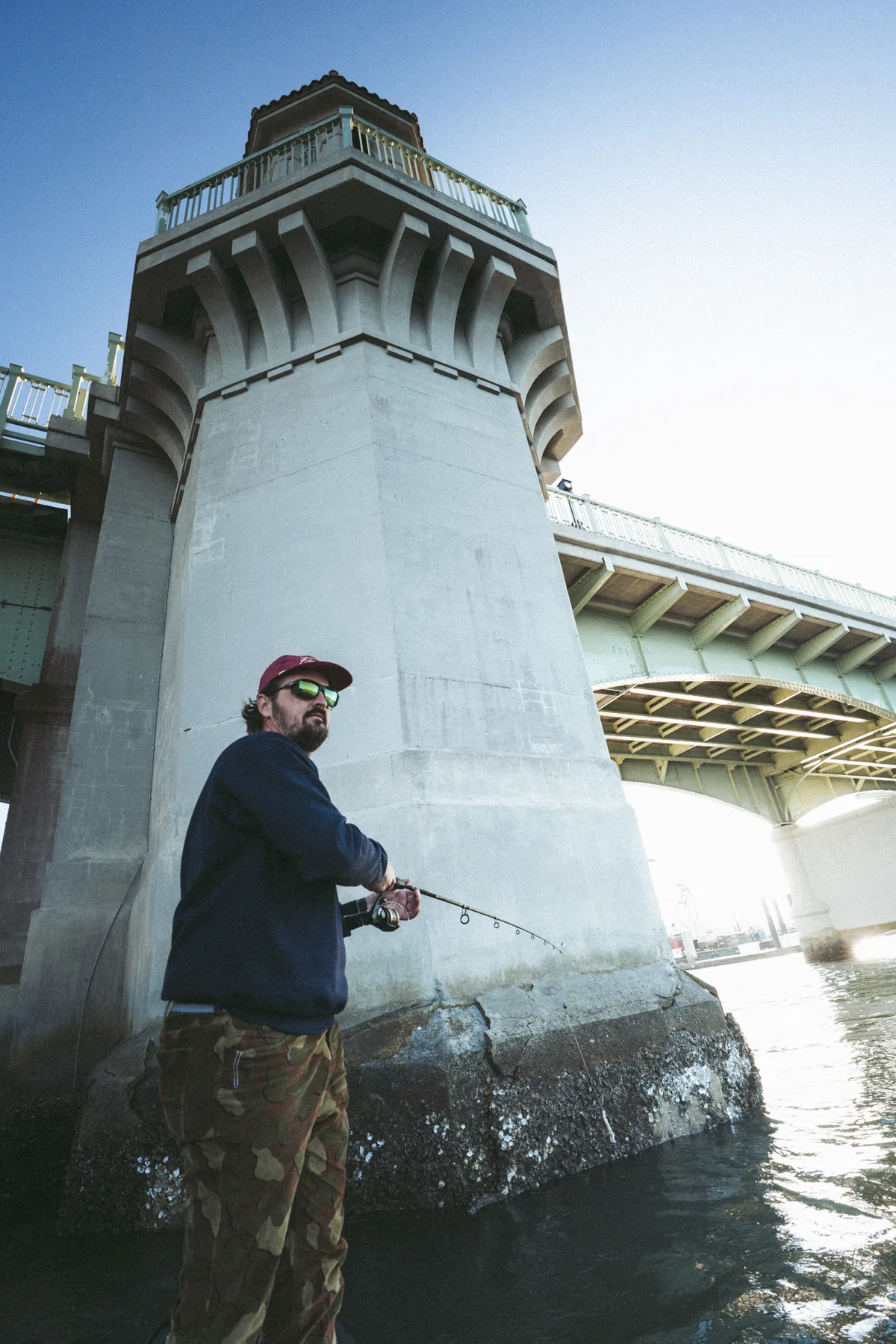
St. Augustine is one of the most visually distinctive cities in the country. You can't walk a block in the historic district without passing a wall, a doorway, or a courtyard that looks like it was designed to be photographed. That's both a gift and a problem.
The gift is obvious — the visual context is extraordinary, and good photography here practically writes itself. The problem is that the barrier to entry looks lower than it is. Because the city is so inherently photogenic, a lot of what passes for commercial photography here is really just pretty pictures. And pretty pictures don't always work hard for your business.
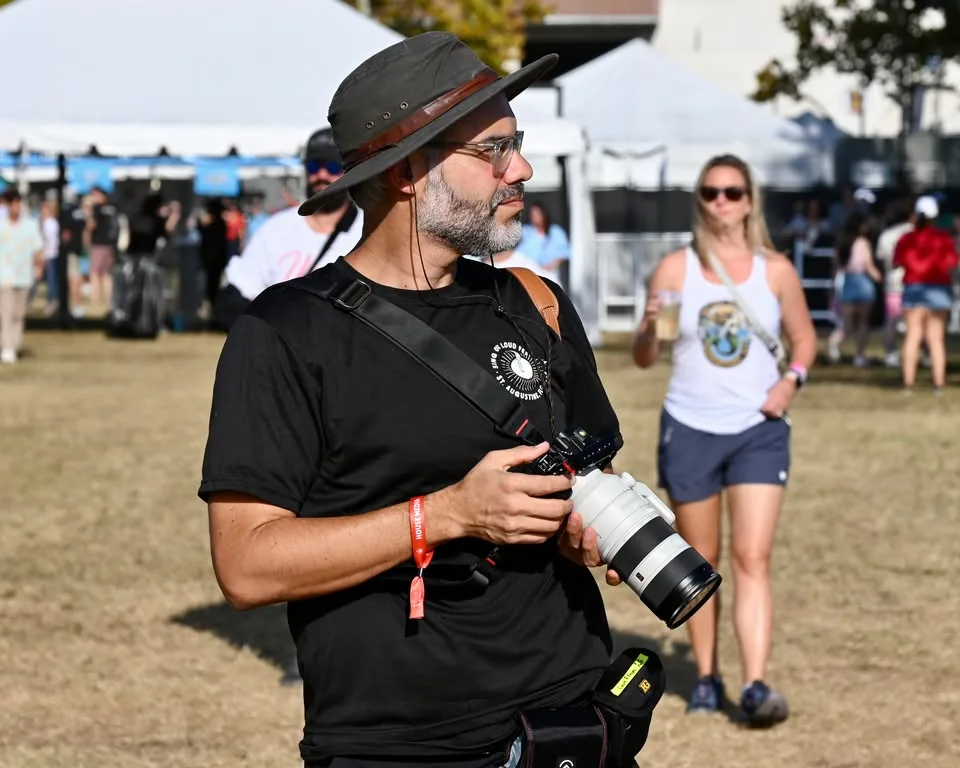
I'm Diego, Creative Director at First Sight Films. We do commercial photography and video production for clients in St. Augustine and across Northeast Florida — including cultural institutions, live entertainment venues, and corporate brands. Here's what I want you to know before you book your next commercial photography project.
Commercial Photography Is Not Event Photography — and It's Not Tourism Photography
These categories get conflated constantly, and it causes real problems for clients.
Event photography captures what happened. Tourism photography captures how beautiful something looks. Commercial photography is built around a specific business outcome — driving awareness, building trust, moving product, positioning a brand. The camera is just the tool. The strategy behind the camera is what makes it commercial.
When we photograph a client, we're asking different questions than a photographer who shows up and finds the best light. We're asking: who is going to see this? What do we want them to feel? What action do we want them to take? What does this organization need to communicate in a single frame?
Those questions shape every decision — the location, the composition, the light, the wardrobe, the subject, the moment we press the shutter. Commercial photography is directed. That's what separates it from everything else.
What Commercial Photography Is Used For in St. Augustine
Northeast Florida has a diverse business ecosystem, and the demand for commercial photography reflects that. Here's where we see it most:
- Cultural institutions and museums — for grant applications, donor communications, annual reports, and audience development campaigns
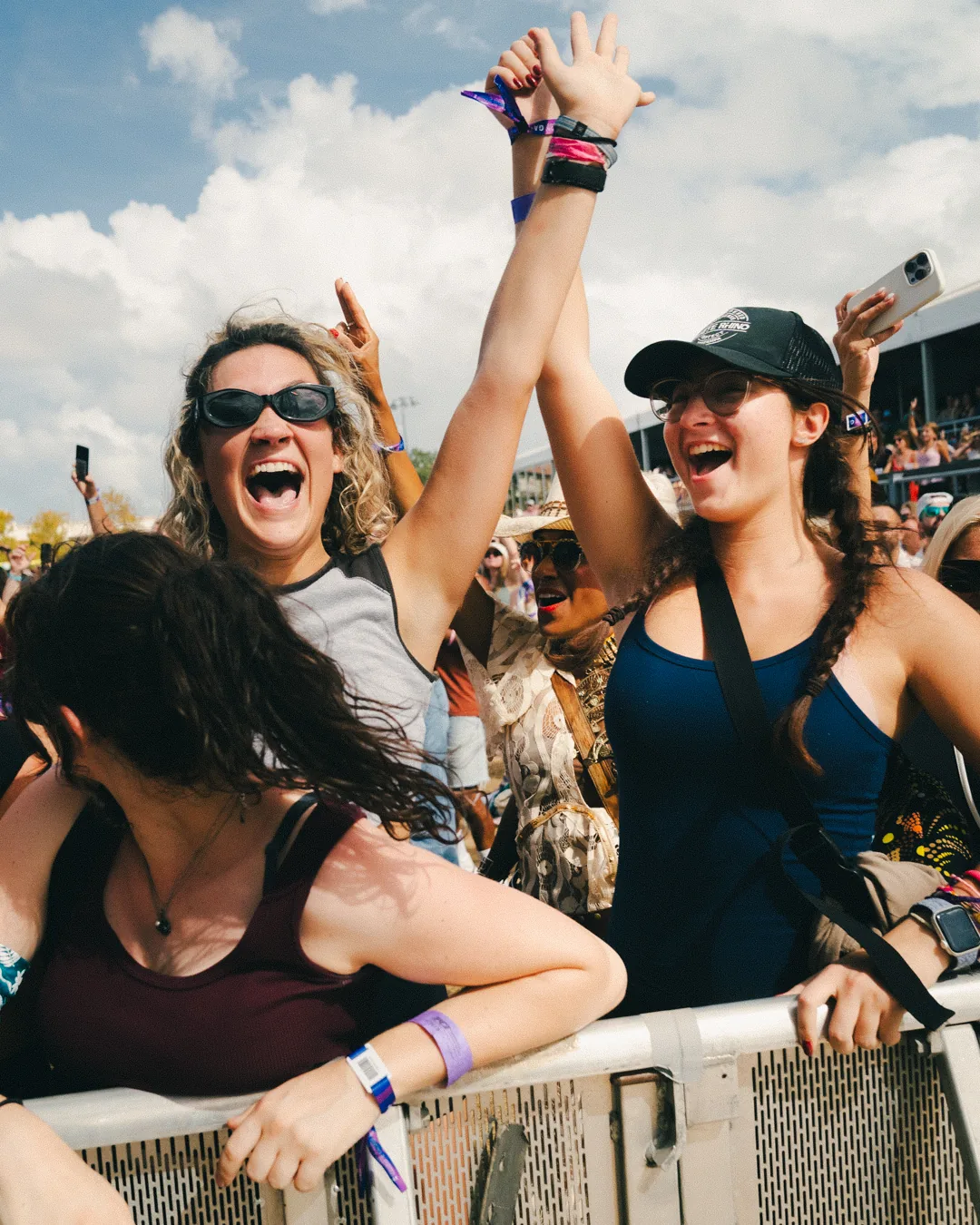
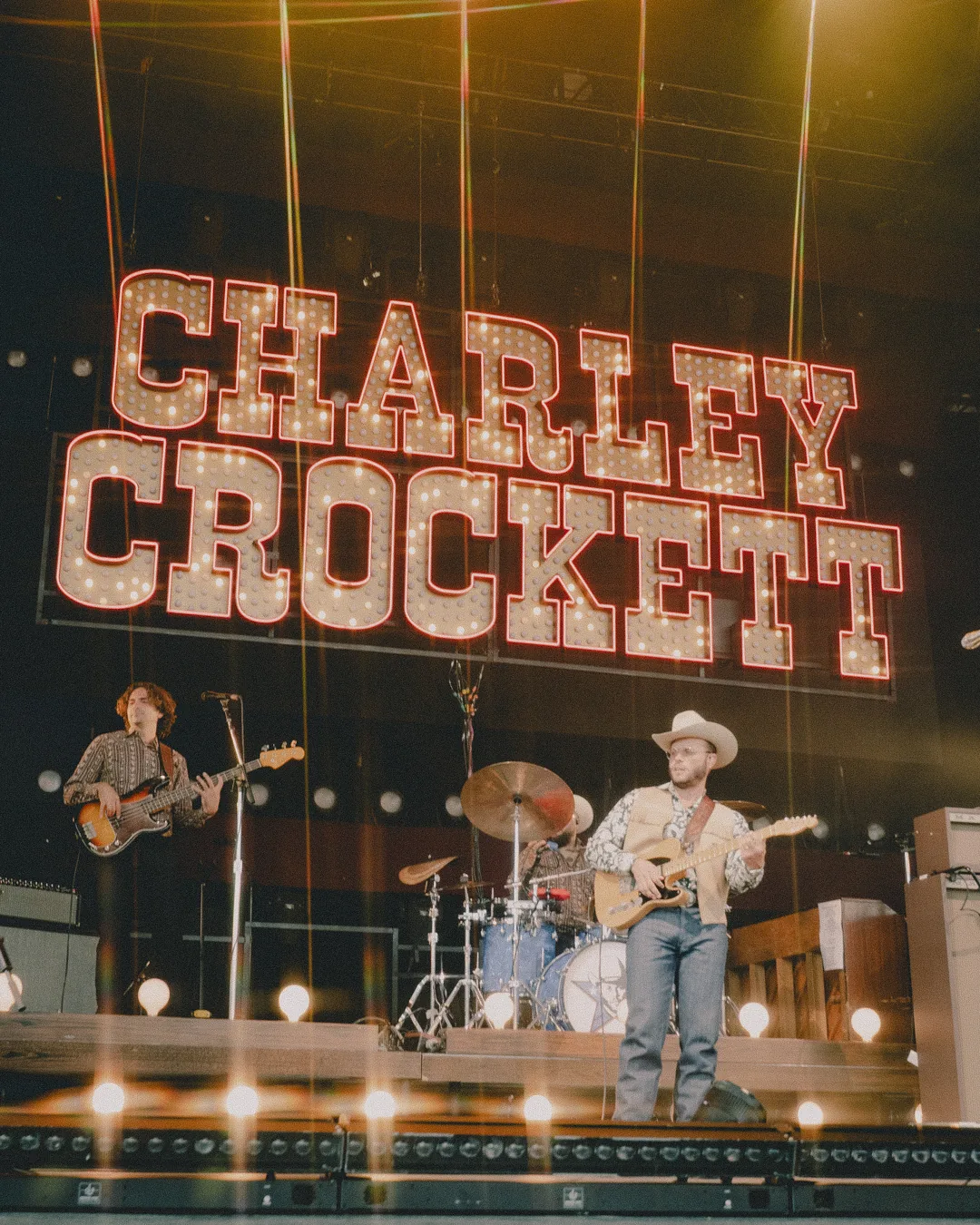
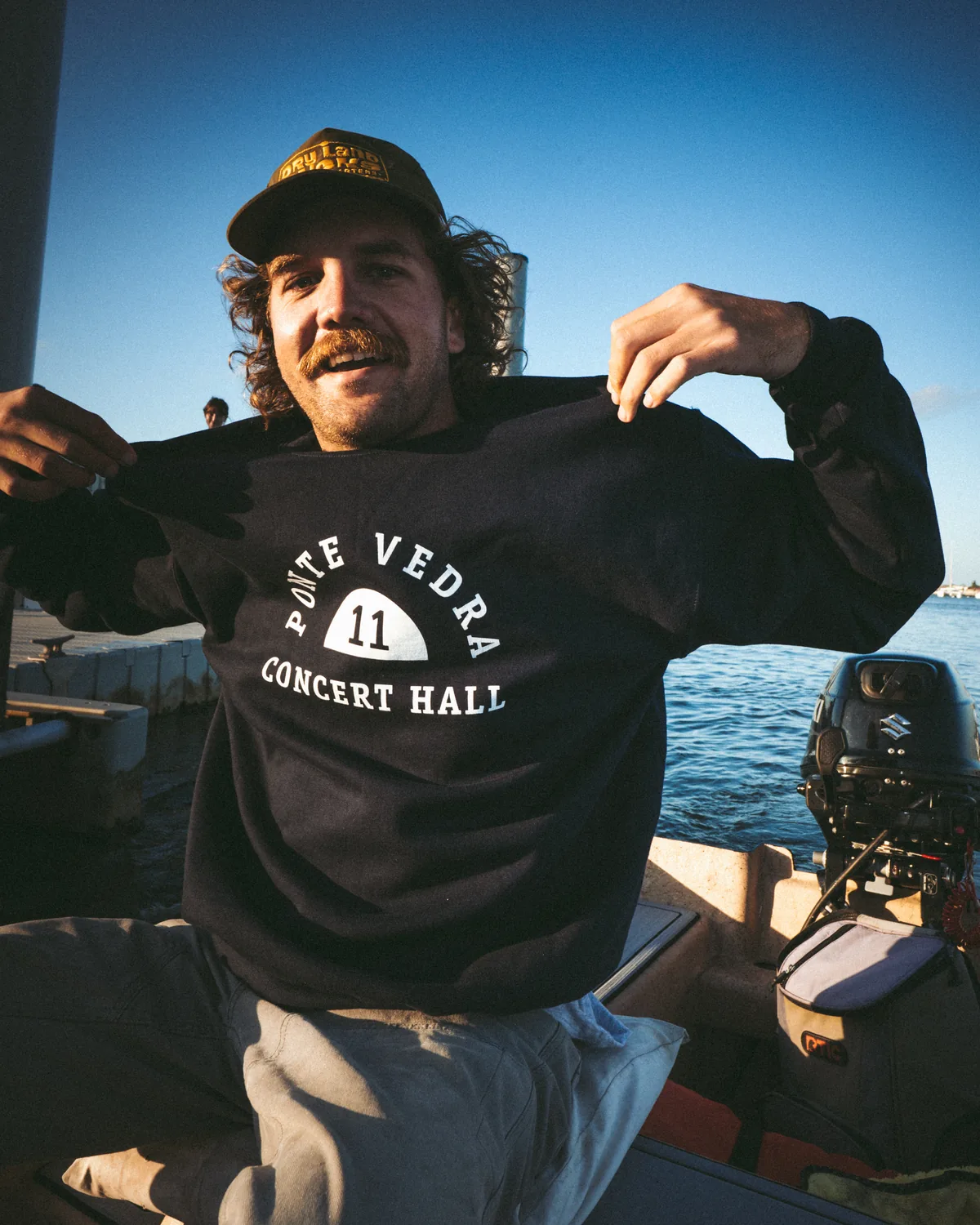
- Live entertainment venues — for artist promotion, event marketing, season launches, and social content that actually drives ticket sales
- Hospitality and tourism brands — for website imagery, OTA listings, press kits, and partnership materials
- Corporate and professional services — for team photography, branded environments, marketing collateral, and LinkedIn presence
- Historic properties and architecture — St. Augustine has more than 450 years of built history; organizations with historic facilities often need photography that honors that context
Why Local Knowledge Matters More Than You Think
Diego has lived in St. Augustine since 2003. That's not a marketing line — it's a practical advantage.
We know where the light falls at 7am on Cordova Street in January. We know which locations require permits and which don't. We know how the city changes seasonally and how to work around the tourist traffic patterns that affect outdoor shoots. We know the vendors, the venues, the stakeholders, and the visual language of this community.
When an outside photographer flies in for a commercial shoot, they're seeing St. Augustine for the first time. We're seeing it for the thousandth time — but still looking at it with fresh eyes, because we never stop noticing things about this place.
That familiarity translates directly into better shoots. Less time scouting. Better location decisions. More efficient use of the available light. Fewer surprises.
The Difference Between Good Photography and Photography That Works
I've looked at a lot of commercial photography portfolios over the years — some of it is genuinely beautiful. Well-exposed, well-composed, technically clean. And I've also seen a lot of that same beautiful photography sitting unused on a client's drive because it didn't quite capture what the organization actually needed.
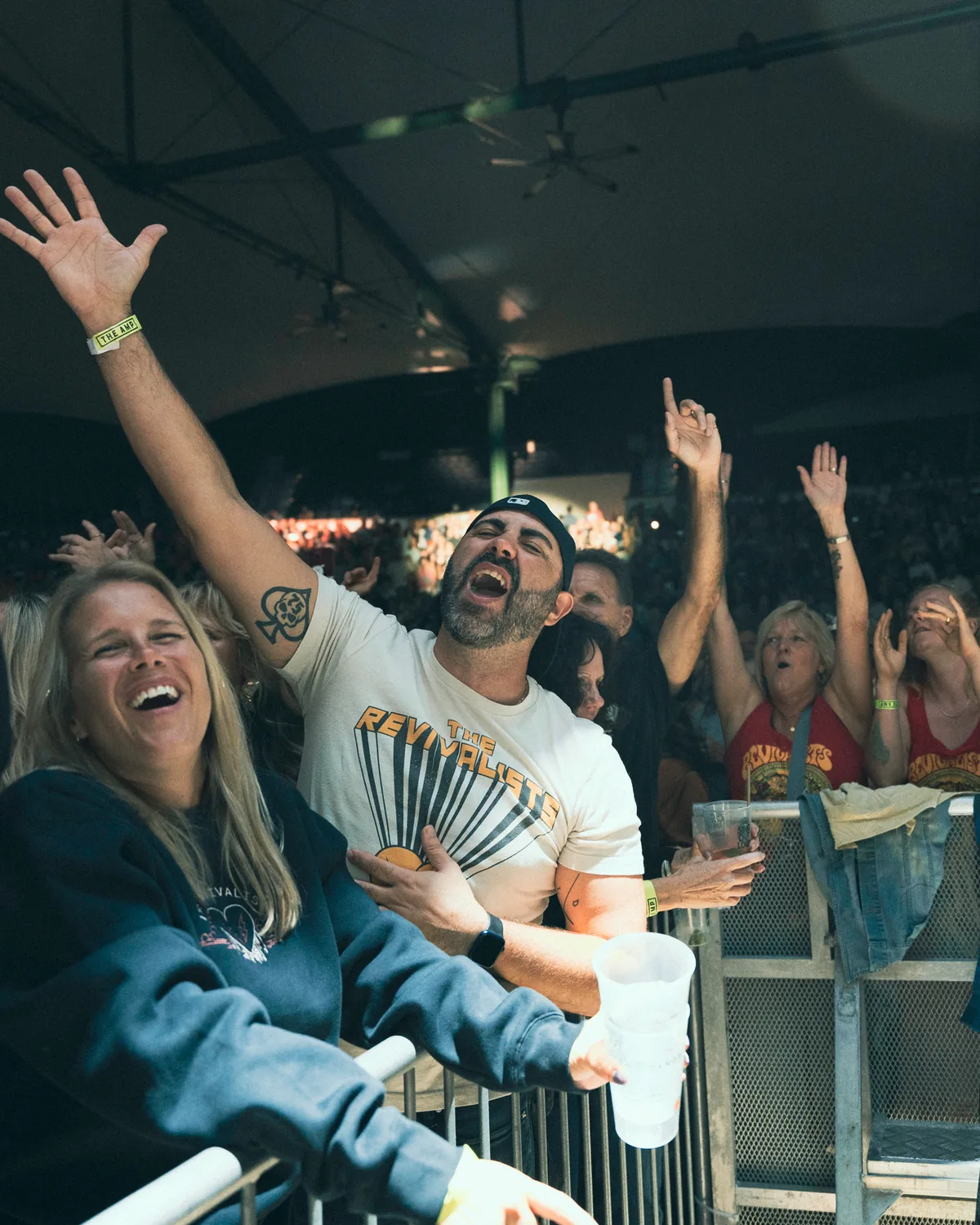
Good commercial photography has a job to do. It needs to load fast on a website. It needs to grab attention in a social feed. It needs to make a donor feel something, or make a ticket buyer want to be there. Beauty is a means to an end, not the end itself.
We approach photography the way documentary filmmakers approach film — we're looking for the true moment, the authentic gesture, the frame that communicates something real about this organization and the people who belong to it. Not the posed version. Not the stock-photo version. The version that only exists here, in this place, with these people.
Commercial Photography and Video: Why They Work Better Together
Most of our clients work with us for both photography and video — not because we push it, but because it solves a real problem. Brand consistency.
When your photography and your video come from two different companies with two different aesthetic sensibilities, the visual inconsistency is subtle but real. The color palette drifts. The tone shifts. The feeling of your brand starts to feel uneven.
When both come from the same team, with the same creative director, the same eye, and the same understanding of your brand — everything coheres. Your website, your social, your press kit, your ads — it all looks like it belongs together. That coherence is brand equity, and it compounds over time.
"We approach photography the way documentary filmmakers approach film — we're looking for the true moment, the authentic gesture, the frame that communicates something real."
Diego Cerquera, First Sight Films
Ready to Talk About Your Next Project?
Whether you're a cultural institution that needs documentation that does justice to the work you're doing, a venue that needs imagery that actually sells tickets, or a corporate brand that needs photography that positions you where you want to be — we'd love to hear about it.
Commercial photography and video production for organizations that take their content seriously.