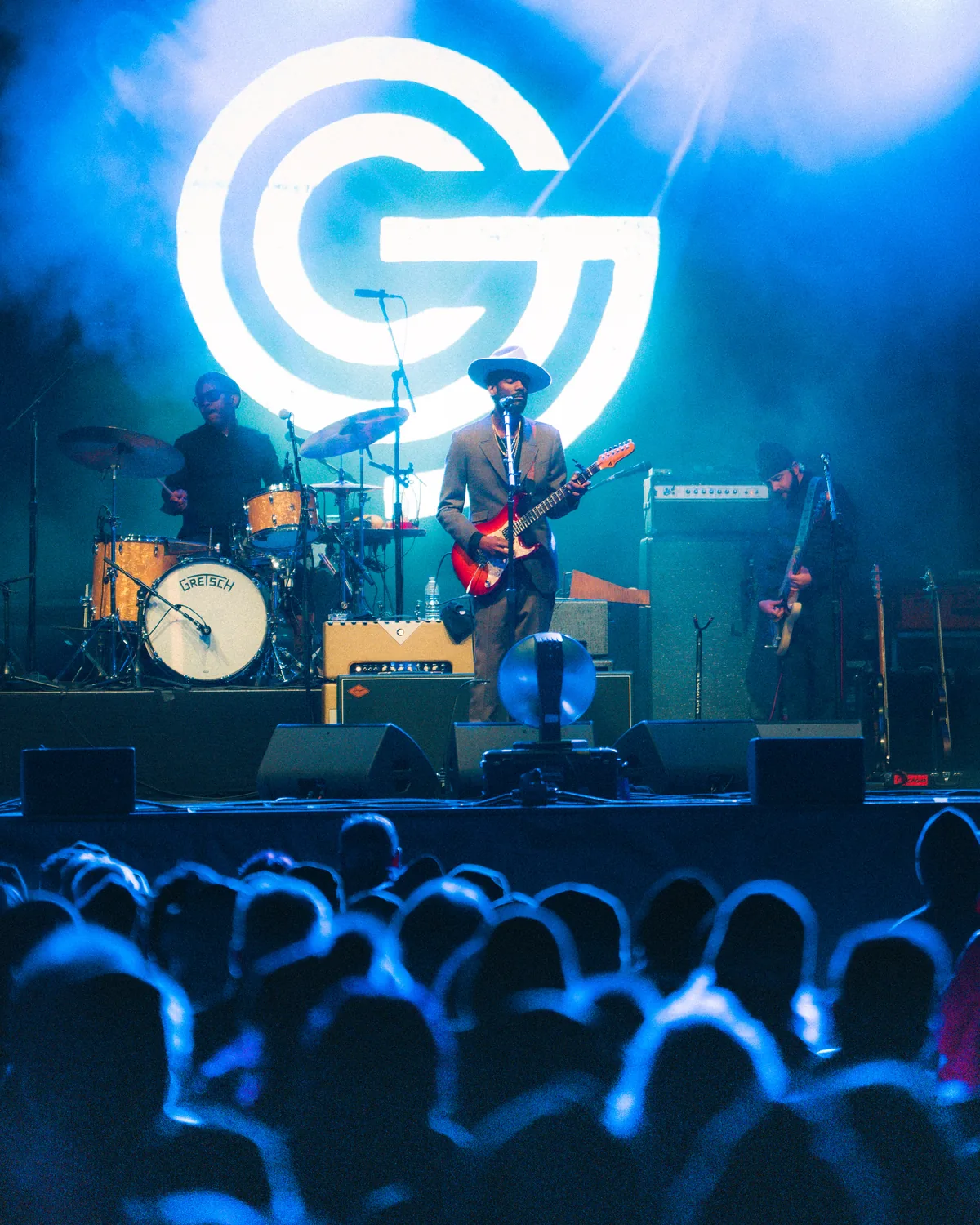
I want to be direct about something. A lot of concert photography and videography produced for live music venues in Florida is not doing what the venue thinks it's doing.
It looks like content. It gets posted. It represents a line item on the production budget. But when you ask a hard question — did this content drive awareness, increase ticket sales, or build the kind of brand equity that makes a venue a destination? — the answer is usually a shrug.
That's not a criticism of anyone's effort. It's a structural problem with how most venues approach this work. Here are the patterns we see most often, and what a better approach looks like. It's the same thinking behind our event video coverage in St. Augustine.
Getting It Wrong: The Biggest Mistakes Venues Make
Treating Documentation and Marketing as the Same Thing
Documentation says: here is what happened. Marketing says: here is why you should be part of it next time. These are different objectives, and they require different approaches.
When a venue produces a show recap that's essentially a highlight reel of what occurred — artist shots, crowd shots, maybe a short clip of the best moment — they've documented the show. That's useful internally, and it has a place in the archive. But it's not marketing.
Marketing content is built around the viewer's experience, not the event's timeline. It starts with a question: what does someone who didn't attend need to feel in order to want to buy a ticket next time? Then every shot, every edit decision, every second of runtime is in service of answering that question.
Underestimating the Crowd
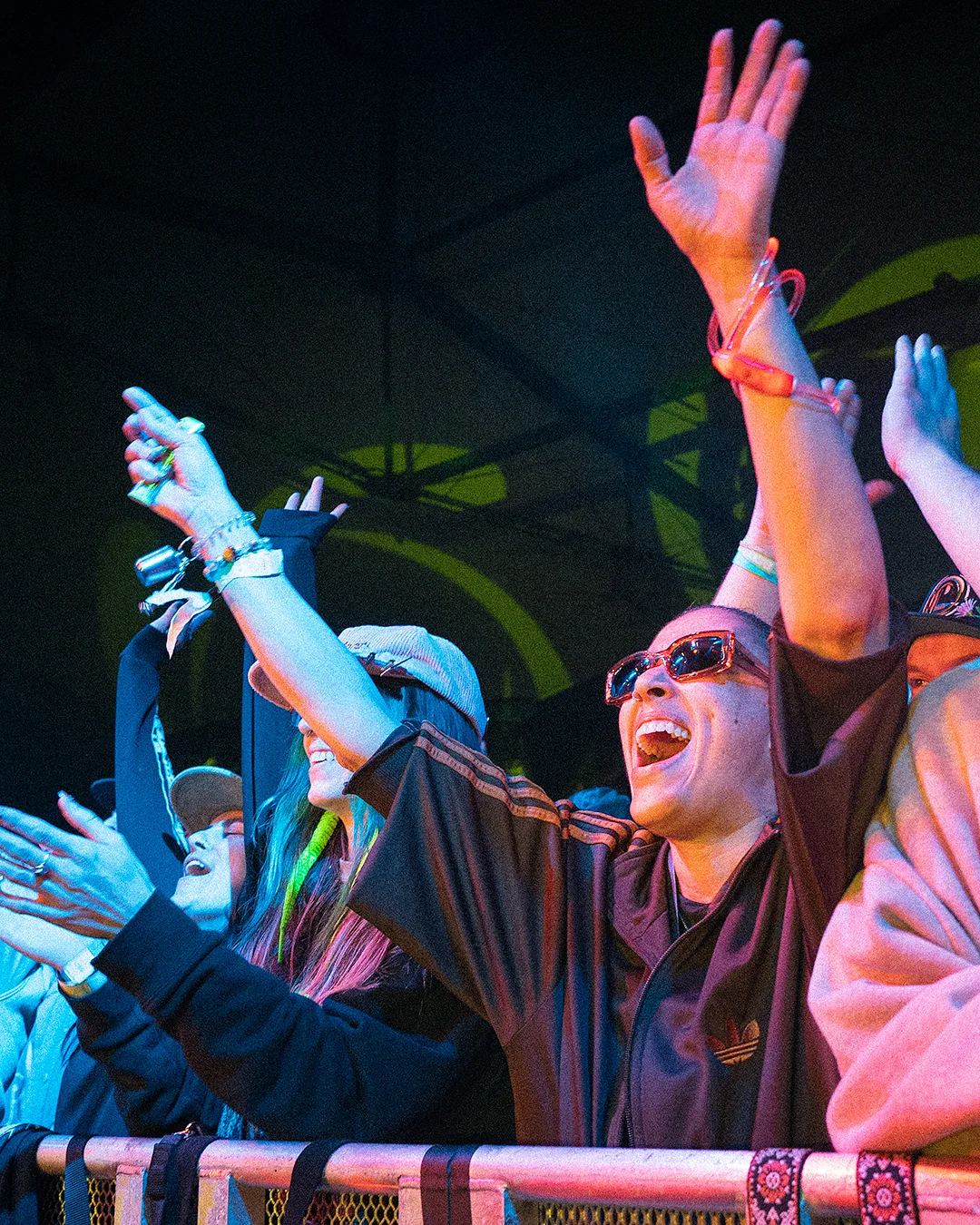
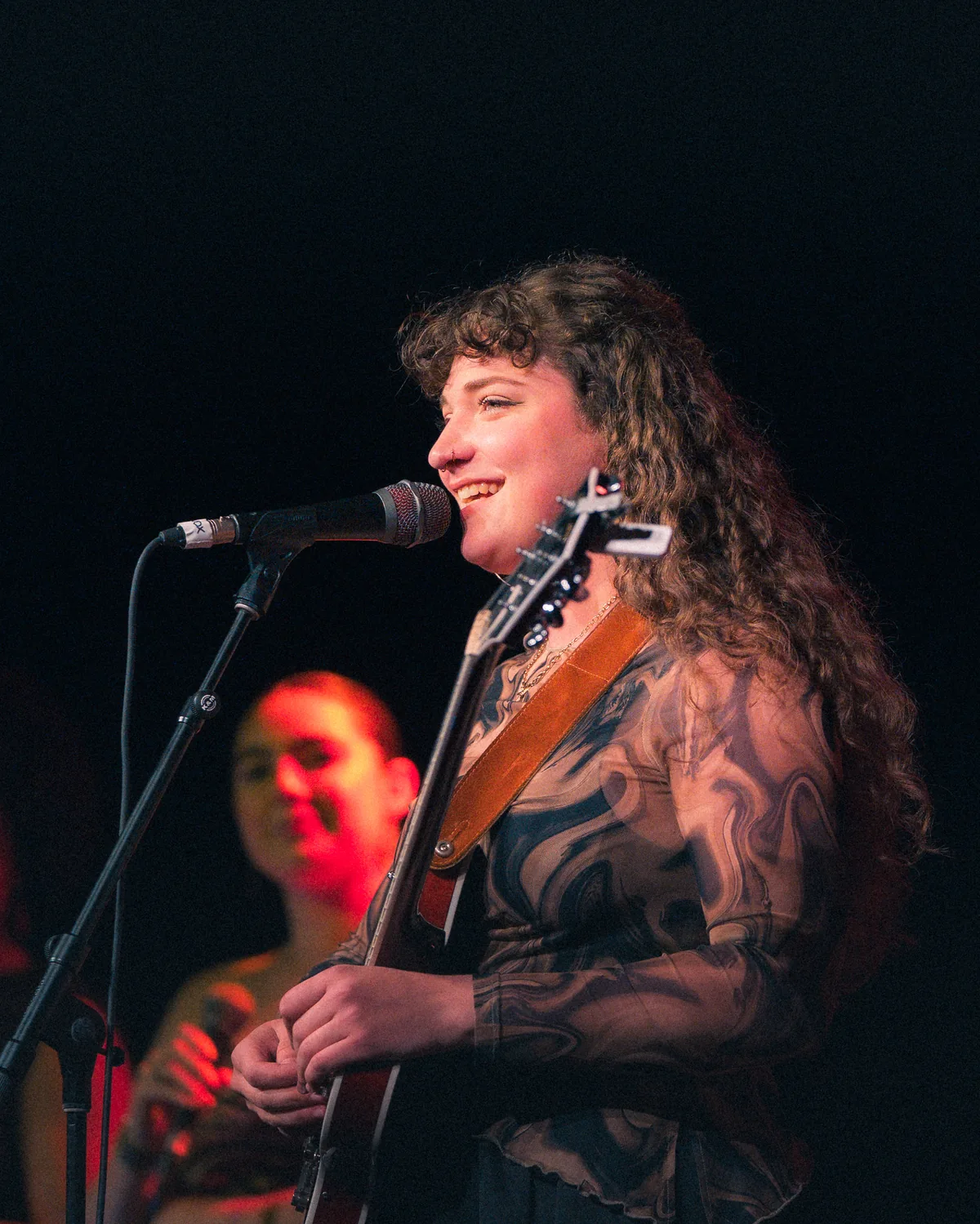
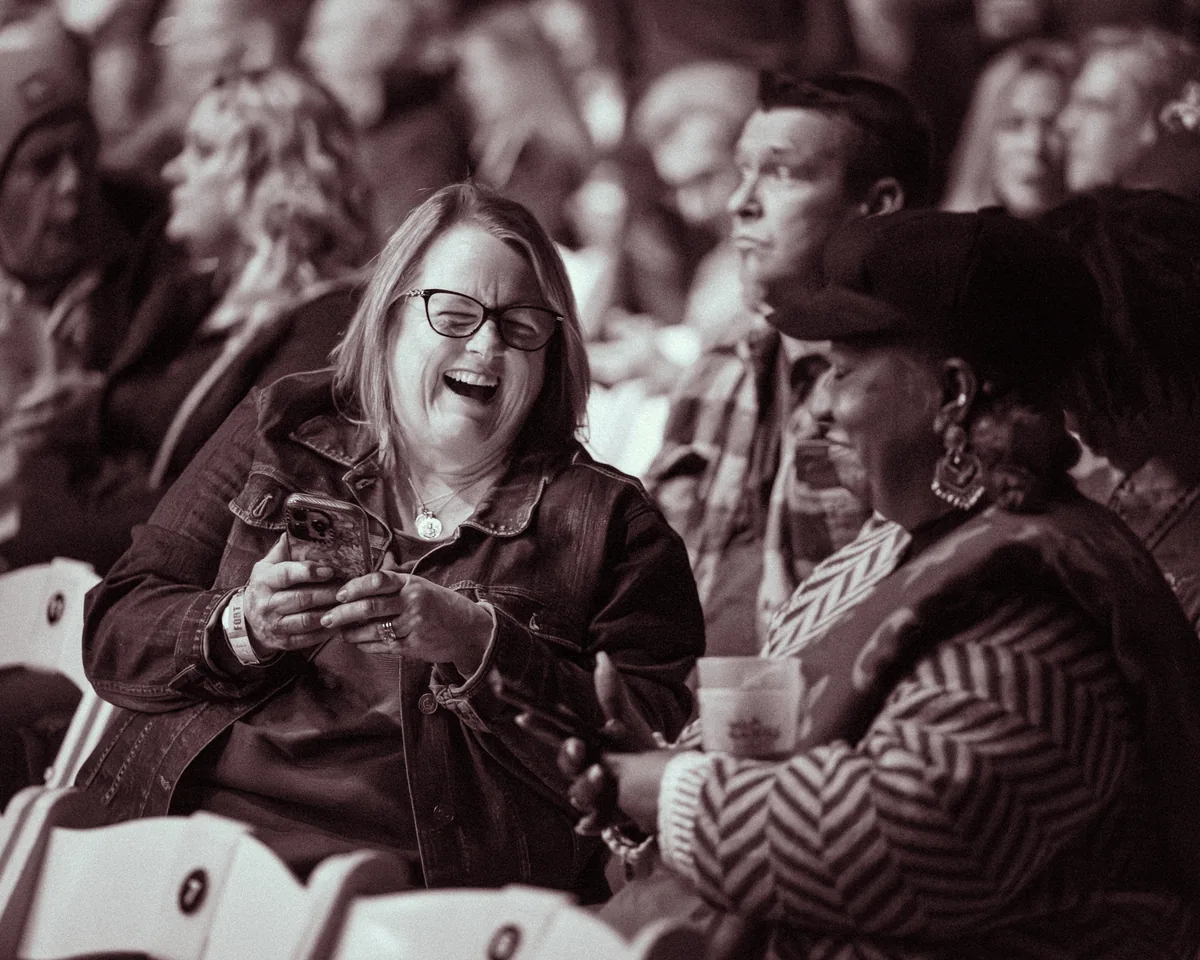
Artist shots are important. But in our experience, crowd footage is what converts.
People don't just buy tickets to see an artist. They buy tickets to be part of an experience — to stand in a room with other people who love the same music, to feel the energy of a crowd that's fully present, to have a story they can tell later. Content that captures that experience — genuine audience reaction, the collective moment of a crowd singing along, the atmosphere of a venue at full capacity — is the most persuasive content a live music venue can produce.
We've watched venues spend 90% of their production time on artist shots and wonder why their social content doesn't perform. The artist content does great with the artist's existing fanbase. The crowd content is what reaches potential ticket buyers.
Undervaluing Photography
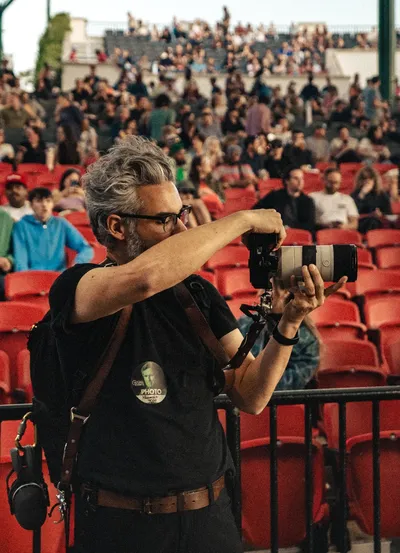
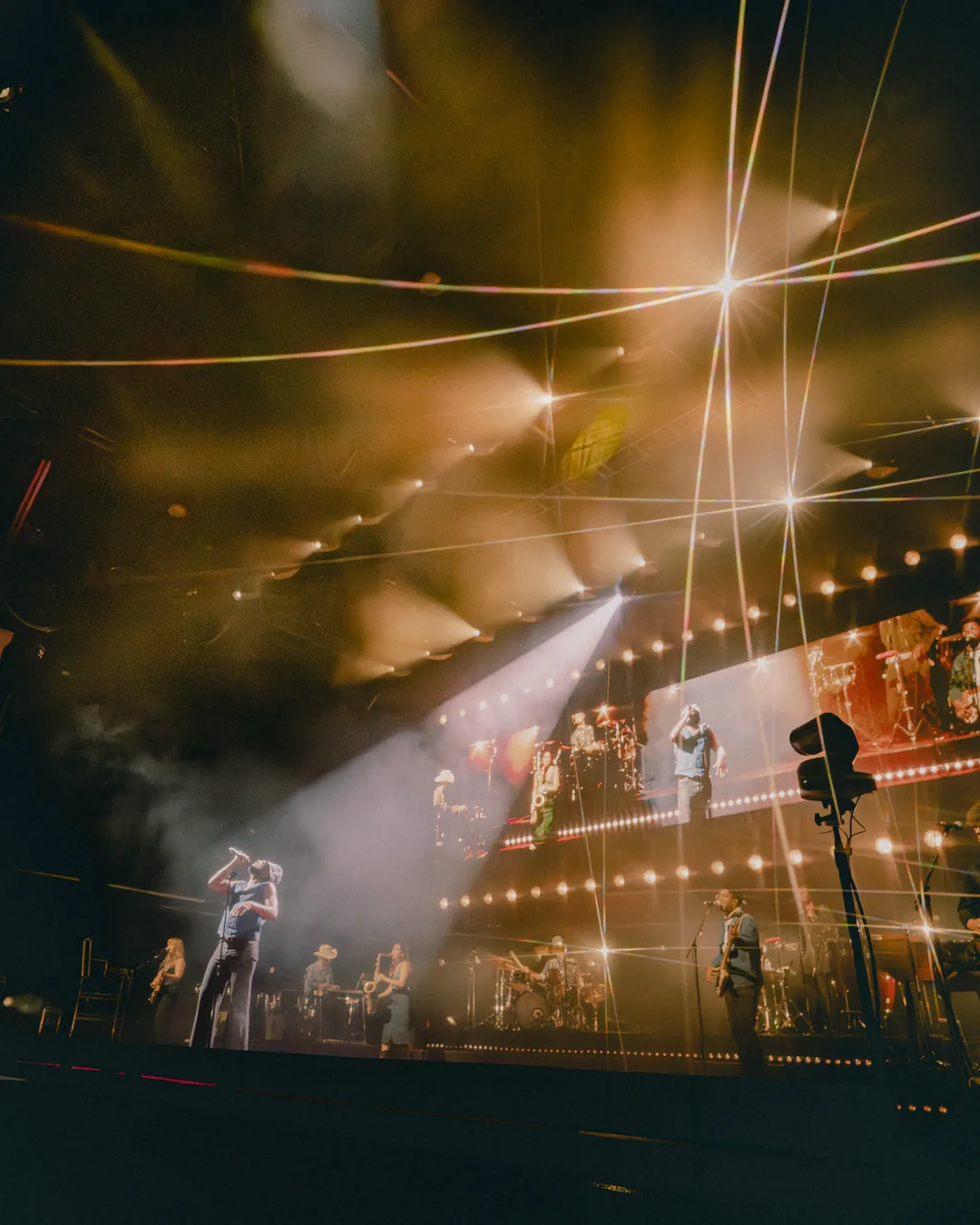
Video gets all the attention in the conversation about content strategy. But still photography for live events is frequently undervalued — and often entirely absent from a venue's production budget.
A single great concert photograph can carry more marketing weight than a two-minute video. It stops the scroll in a way that video sometimes doesn't. It works in contexts where video doesn't load — email, print, editorial coverage, press kits. And it builds a visual archive of the venue's history that becomes more valuable over time.
The venues that produce both photography and video from their events — from the same team, with the same aesthetic sensibility — are building something fundamentally more durable than the ones that do one or the other.
Hiring for Price Instead of Fit
Concert photography and videography is a genuine specialty. Low-light environments, fast-moving subjects, unpredictable lighting rigs, no second chances on the moments that matter — this is not the domain of a generalist with a good camera.
We've seen the results of cost-driven production decisions more times than I can count. The footage is dark, the audio is unusable, the key moments were missed because the operator was in the wrong position. The venue spent money and has nothing to show for it.
The right production partner for a live entertainment venue is someone who has actually shot concerts — a lot of them — and who has developed the instincts that only come from experience in live environments. That experience has a price. It's almost always worth it.
What Good Concert Content Actually Looks Like
We've been producing for the St. Augustine Amphitheatre and other Northeast Florida venues long enough to have a clear picture of what works. Here's the short version:
- It's short. The best event content runs 60 to 90 seconds for social, with longer cuts available for specific marketing uses. Attention is finite.
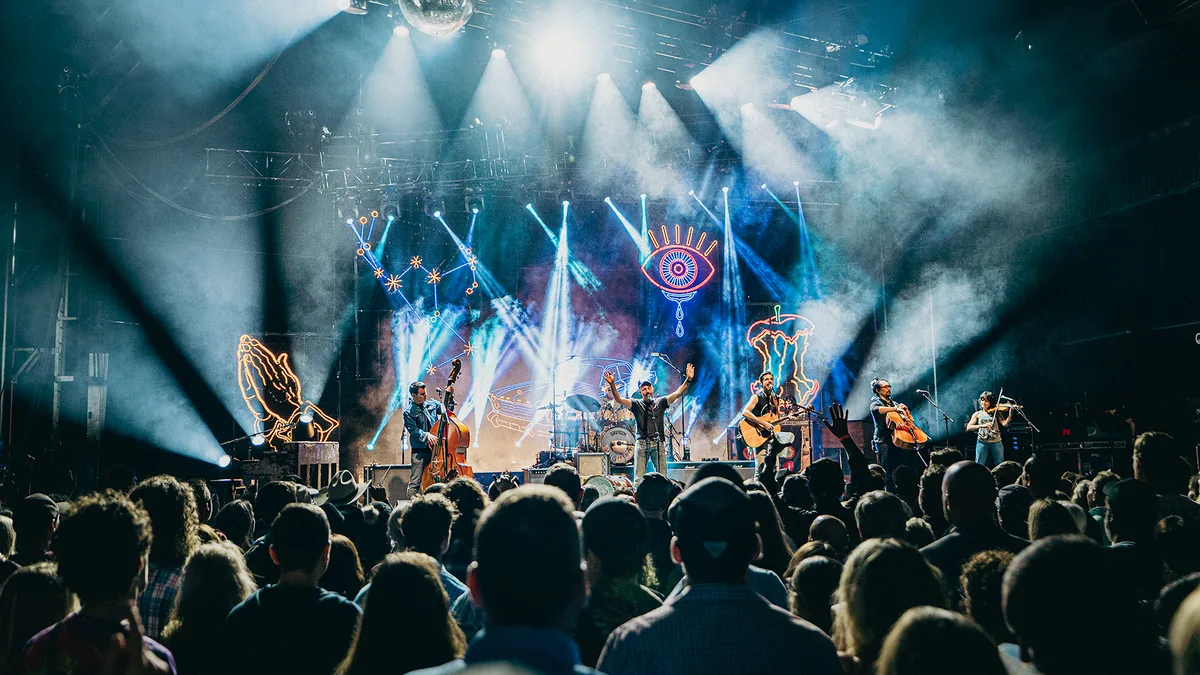
- It leads with the atmosphere, not the artist. Establish the place, the energy, the experience — then bring in the performance.
- It treats audio as a first-class element. No clipping, no wind distortion, no room reflections ruining the mix. The audio tells you this is a real show worth attending.
- It includes the human moments. Not just the performance, but the experience of being in that room — the faces, the hands in the air, the shared moment between strangers who are suddenly not strangers.
- It ends with a clear identity. You should know exactly where this was filmed and why it's a venue worth returning to.
St. Augustine, specifically, has a visual identity that very few live music venues in the country can match. A 450-year-old city, open-air amphitheater, extraordinary natural setting. Venues that learn to use those assets in their content have an enormous advantage. Venues that treat their location as a backdrop rather than a character in the story leave that advantage on the table.
"The artist content does great with the artist's existing fanbase. The crowd content is what reaches potential ticket buyers."
Diego Cerquera, First Sight Films
First Sight Films specializes in live event photography and videography across Northeast Florida. We know what converts — and we know this market.