Every nonprofit I've ever talked to about video says some version of the same thing early in the conversation: we want something that feels authentic. We don't want it to look like a commercial. We want people to really feel the impact of what we're doing.
And then, somewhere in the production process, the pull toward promotional content takes over. The language gets cleaned up. The rough edges get smoothed. The real moments get replaced by staged ones that feel safer, more controlled, more "professional." And the finished product looks and feels exactly like the commercial they said they didn't want.
I understand how it happens. Nonprofits are accountable to funders, to boards, to the communities they serve. There's real risk in showing complexity. There's organizational pressure toward the version of the story that's already been approved.
But here's what that pressure costs: the thing that actually makes video work for nonprofit communication. Specifically, it costs authenticity — and authenticity is the only currency that produces trust in a skeptical audience.
Why Promotional Video Fails Nonprofits
Promotional video is built around control. Control of the message, the imagery, the narrative arc, the impression the viewer takes away. It works well for products, where the goal is to make someone want something and the emotional stakes are relatively low. It works poorly for nonprofits, where the goal is to make someone trust something — enough to give money, volunteer time, advocate publicly, or affiliate their own identity with the organization.
Trust doesn't respond well to control. When a viewer senses — and they almost always do — that what they're watching has been managed and curated to produce a specific impression, their trust response closes down. They may be moved by the production. They may appreciate the craft. But they don't believe it the way they need to believe it to take meaningful action.
This is the core problem with most nonprofit video: it tries to persuade through professionalism and polish when what it actually needs to do is persuade through honesty and specificity.

What Documentary Style Actually Means
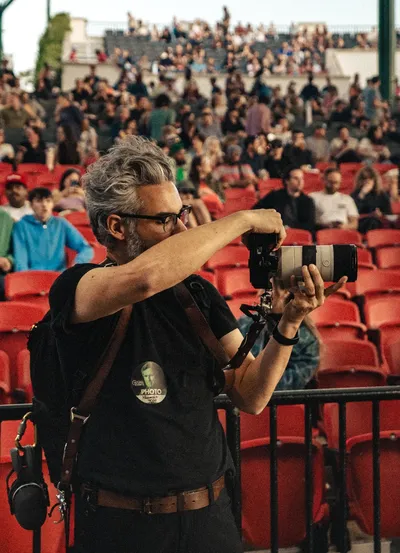
Documentary-style filmmaking isn't a production aesthetic — it's an epistemological stance. It says: we believe that the real story, told honestly, is more compelling than any version we could manufacture. Our job is to find it, not to build it.
In practice, this means several things:
- It means prioritizing real moments over staged ones. The unscripted response. The genuine emotion. The thing that happened that nobody planned for.
- It means letting subjects speak in their own voice. Not coaching them toward the sound bite. Not giving them talking points. Actually listening to them and capturing what they say when they're being real.
- It means being willing to show complexity. Not everything is resolved. Not every story has a clean ending. Documentary-style filmmaking is willing to sit in that complexity rather than edit it out.
- It means the camera goes toward the truth rather than the ideal. Which sometimes means the lighting isn't perfect. Which sometimes means the setting is a little rough. Which almost always means the result is more believable than anything staged.
The irony is that this approach — which sounds less controlled than promotional production — requires more craft, not less. Finding the real moment is harder than manufacturing one. Letting someone speak authentically and capturing the part of what they say that's actually worth using is a more demanding editorial challenge than scripting a testimonial. Documentary-style production is not a shortcut. It's a different discipline.
What Changes When Nonprofits Embrace the Documentary Approach
We've produced documentary-style video for cultural organizations, community programs, and nonprofits across Northeast Florida, and the consistent observation is this: the content that's made with the least amount of control over the outcome is almost always the content that performs best.
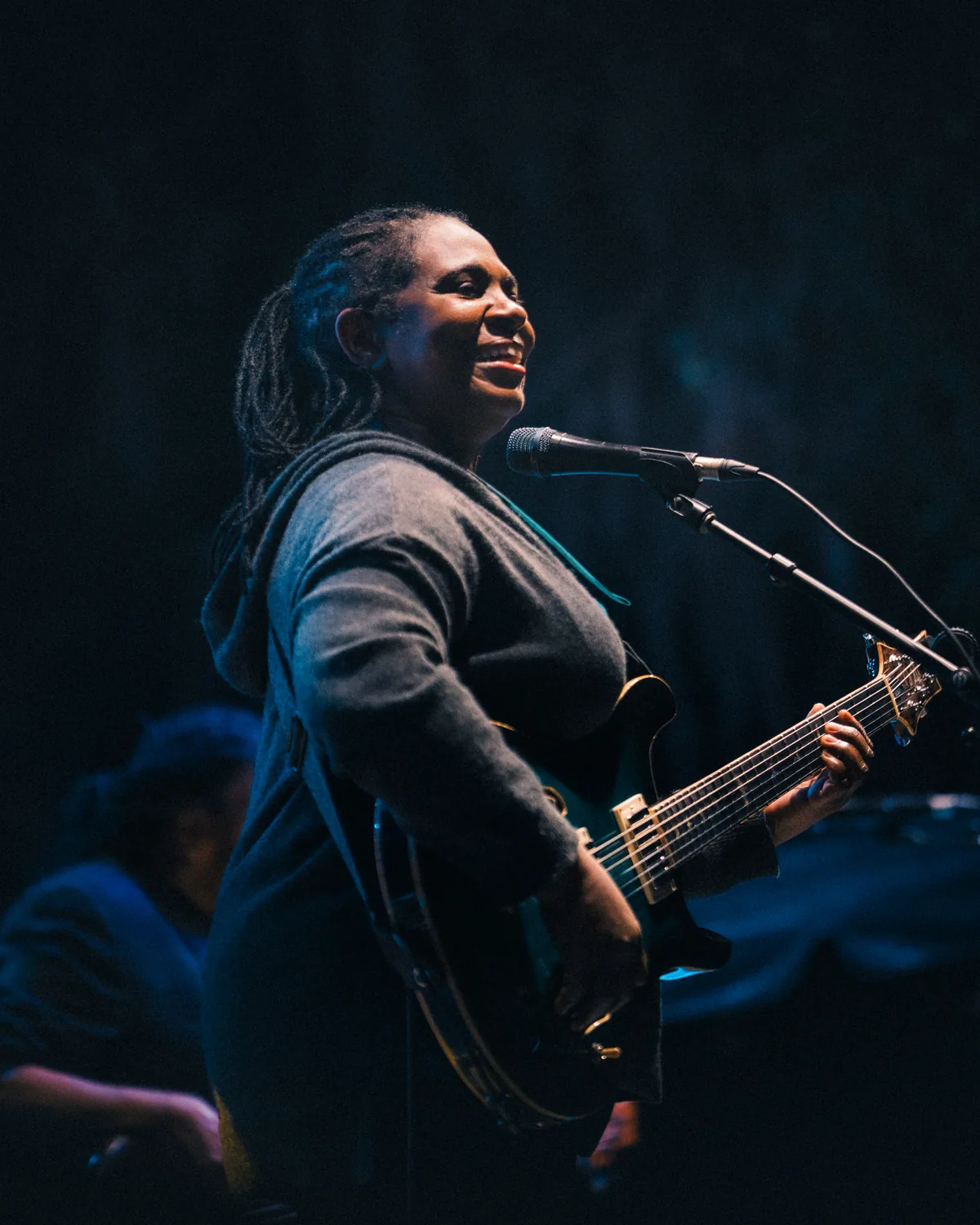
The video where the subject went off-script and said something they clearly hadn't planned to say. The moment at an event where something unfolded in front of the camera that nobody anticipated. The interview that started wooden and became real somewhere in the middle when the subject forgot they were being filmed.
These are the moments that make viewers stop scrolling, share the link, tell someone else about it, and reach for their wallet. Not because they're dramatic or produced. Because they're true.
For Funders Specifically: Why Documentary Evidence Is More Persuasive Than Promotional Claims
There's a specific argument to be made here for nonprofits that rely on grant funding and major donor cultivation, because this is where the stakes of getting video right are highest.
A program officer reviewing a grant application has read thousands of impact statements. They know the language of nonprofit effectiveness. They've seen the metrics, the outcome frameworks, the testimonials written with organizational review. They're not easily fooled, and they're not easily moved by polish.
What they respond to — because they're human beings with the same basic cognitive and emotional architecture as everyone else — is a specific story that demonstrates real impact in a real situation. Not a claim. Not a testimonial crafted in partnership with the communications department. A documentary moment: here is a real person, here is what happened, here is what it meant.
A three-minute documentary-style film submitted with a grant application is not a supplemental material. It's a primary piece of evidence. And evidence, in the form of an honest film about real impact, carries a weight that no written narrative can match.
The Production Partner Question
Not every production company can make documentary-style video that actually works. The format requires a specific set of skills and instincts that aren't developed in commercial or corporate production — the ability to earn trust quickly with subjects who aren't comfortable on camera, the editorial judgment to know which moments are worth building around, the patience to wait for something real to happen rather than forcing it.
It also requires a production partner who genuinely believes in the approach — who isn't secretly trying to make a promotional video while calling it documentary-style. That distinction is felt in the finished product, and audiences can tell the difference.
At First Sight Films, documentary-style storytelling is not a service offering. It's a worldview. It's the operating principle behind everything we make, regardless of the client or the context. We believe the real story is always more interesting than the manufactured one, and we've built our practice around finding it.
"Before I made films, I spent nearly a decade as a registered nurse. That career is about presence, observation, and the willingness to sit with complexity rather than resolve it prematurely. Those are exactly the skills that documentary filmmaking requires."
Diego Cerquera, First Sight Films
Before I made films, I spent nearly a decade as a registered nurse. That career is about presence, observation, and the willingness to sit with complexity rather than resolve it prematurely. Those are, it turns out, exactly the skills that documentary filmmaking requires. The connection between those two careers isn't incidental to how we work. It's foundational to it.
If your organization is ready for video that tells the truth — and trusts that the truth is compelling enough — we'd love to talk.