This question comes up more than almost any other in our early conversations with new venue clients: should we focus on video or photography?
My answer is almost always the same: the question isn't either/or. But understanding how each medium works differently — and where each one creates the most value for a live entertainment venue — is essential to making smart decisions about where to put your production budget. For the full picture of what we capture on site, see our event video coverage in St. Augustine.
What Photography Does That Video Can't
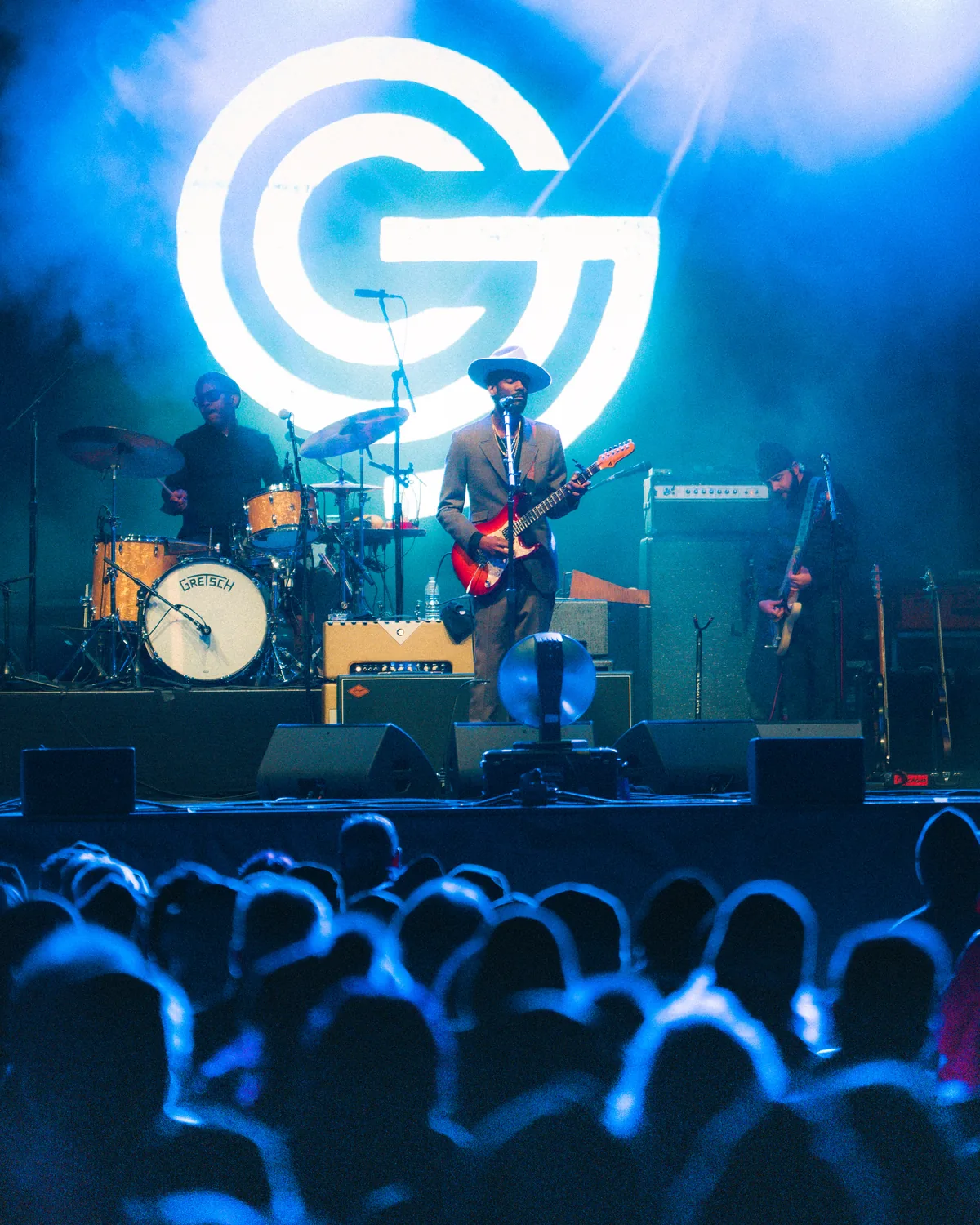
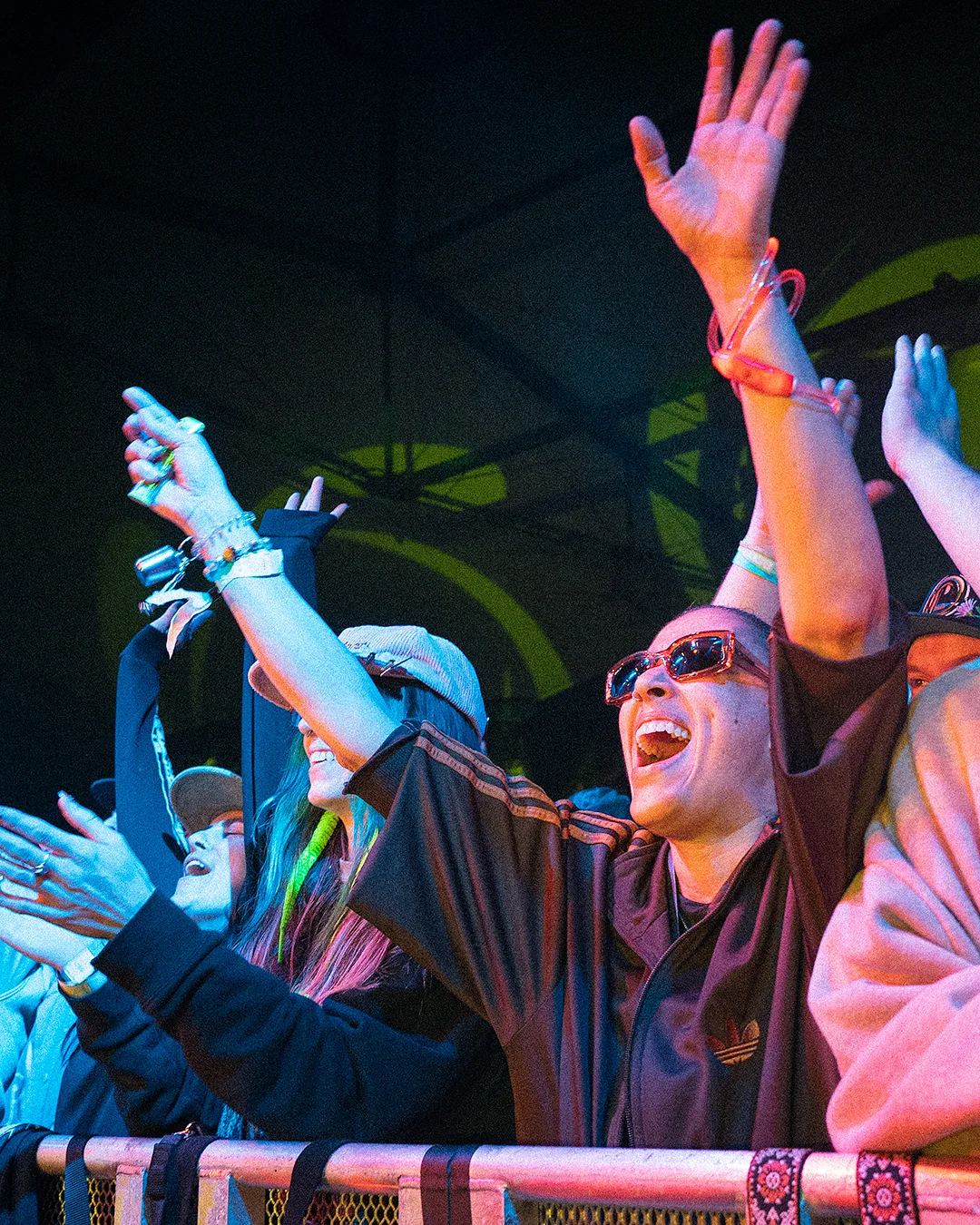
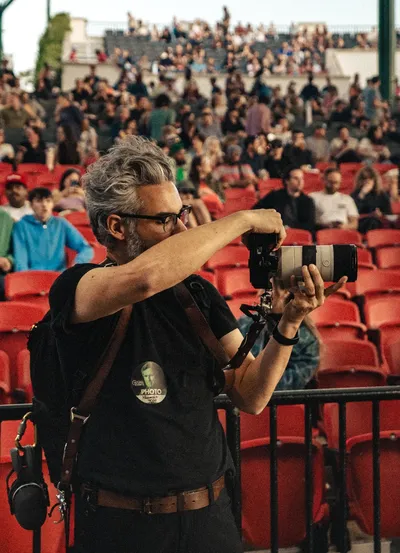
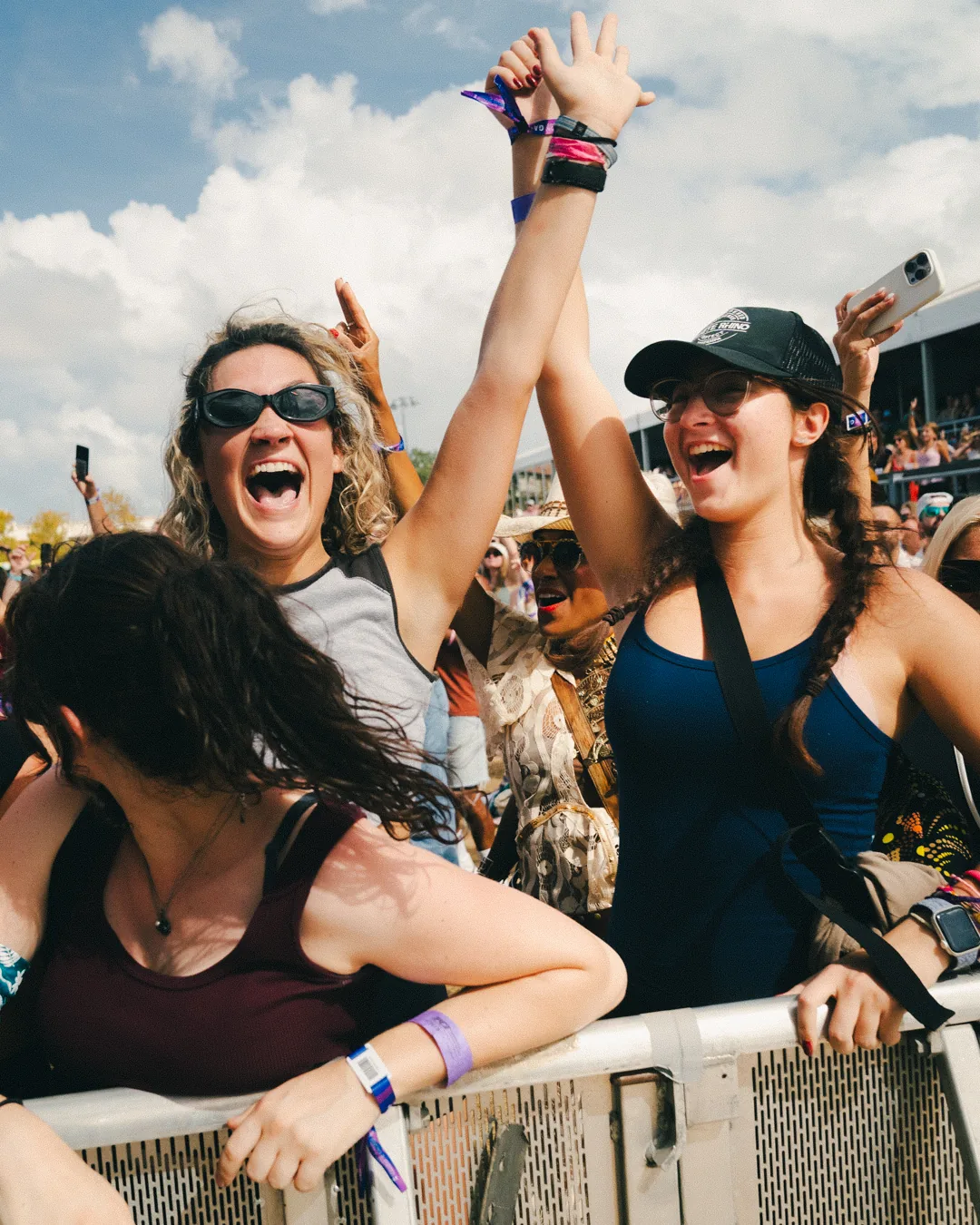
A great event photograph operates in a register that video simply can't reach. It stops time. It distills an entire experience — the energy, the emotion, the atmosphere — into a single frame that a viewer can hold and absorb without anything else competing for their attention.
For venues, this means photography is often the right tool for:
- Editorial and press coverage — publications still primarily use still images, and a strong concert photograph can place your venue in regional and national media
- Donor and sponsor communications — annual reports, grant applications, and partnership decks read better with high-quality stills than with video links
- Website imagery — the photographs that define how someone perceives your venue before they've ever visited
- Social content that performs in scroll — in a feed full of video, a striking still photograph often gets more attention, not less
- Archival and historical documentation — the photographs that will represent this era of your venue's history in twenty years
A single great concert photograph is a marketing asset that can be used for years across dozens of contexts. Its value compounds in a way that individual video clips often don't.
Not All Event Photography Is the Same
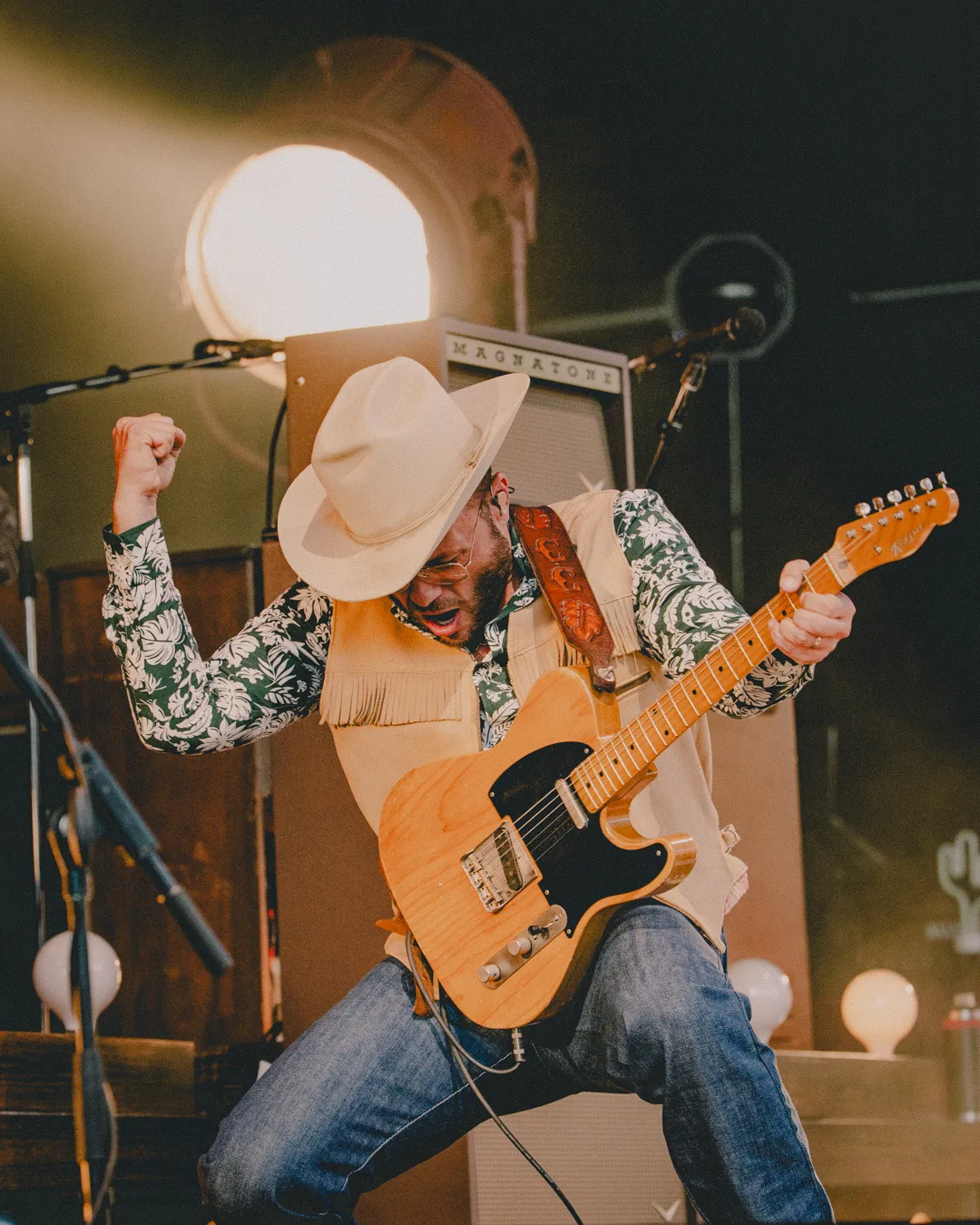
There's a distinction inside photography itself worth understanding before you book: event photography is documentation, and commercial photography is creation. Event photography is reactive — it captures what happened, who was there, and what it looked like, cleanly and reliably across a multi-hour event. Commercial photography is directive — location, light, subject, and composition are all intentional, built to produce a specific impression on a specific audience in a website, grant application, or campaign.
The two blur most when an event is also a marketing opportunity — a gala, a product launch, a venue opening. These happen in real time like events, but the images need to carry commercial weight, not just document the evening. A standard event photographer will cover the gala; what they may not produce is the specific image that captures the atmosphere in a way that converts a prospective donor or gives the marketing team something to build a campaign around. When that's the goal, the brief needs to reflect both objectives — and the photographer needs the skills to serve both.
What Video Does That Photography Can't
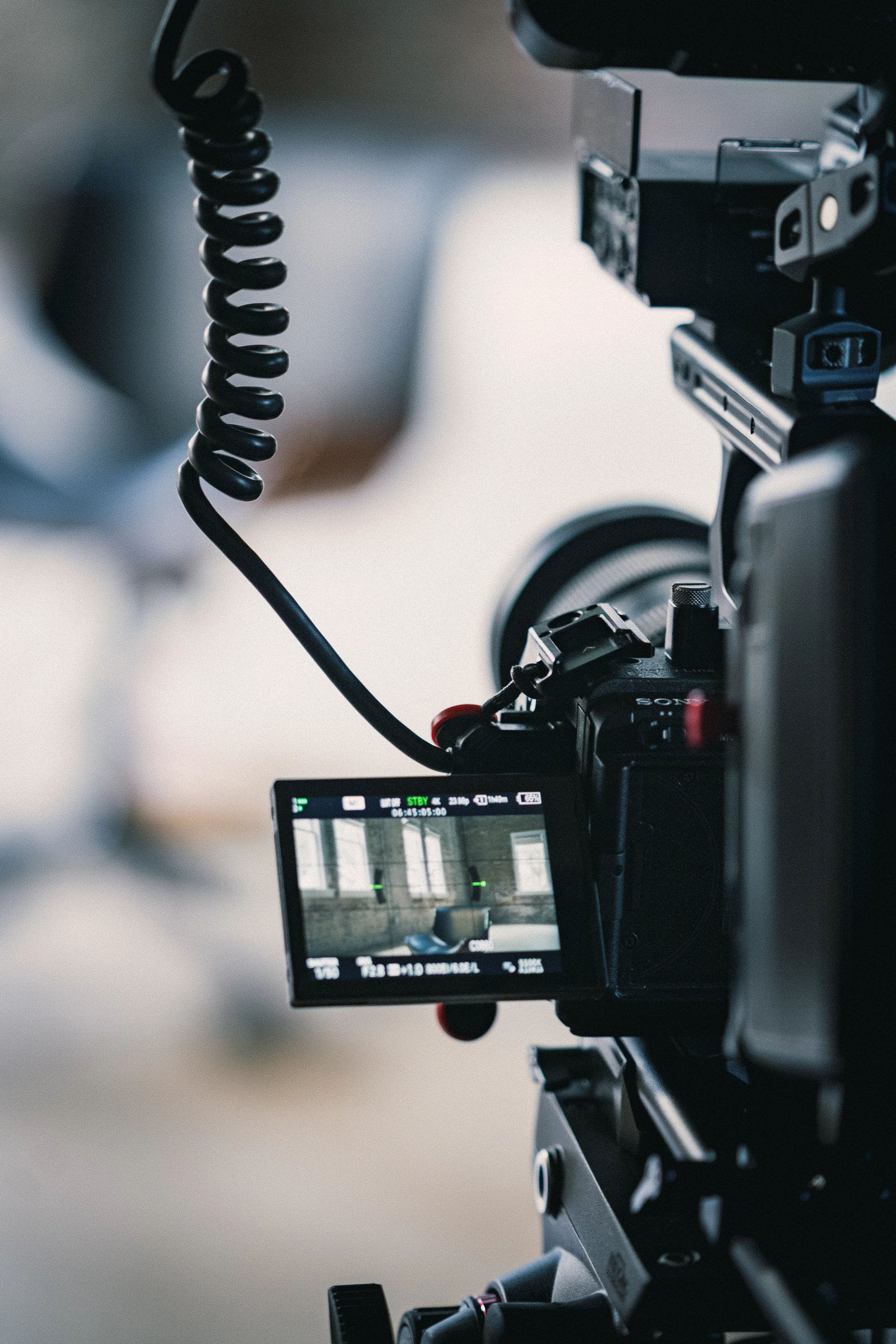
Video communicates time, motion, and sound — and for live entertainment, those three elements are the heart of the experience you're selling.
The roar of a crowd. The build of a song toward its peak. The moment when the artist steps forward and ten thousand phones go up. None of that exists in a photograph. Video is where you recreate the feeling of being at the show for someone who wasn't there — and make them want to be there next time.
For venues, this means video is often the right tool for:
- Social content specifically designed to drive ticket sales — short-form video consistently outperforms static imagery for this objective across most platforms
- Recap content that builds the venue's brand story over time
- Artist promotion — clips that showcase the quality of the performances at your venue, useful for artist relations and booking conversations
- Sponsor deliverables — many corporate sponsors now require video documentation of their activation or logo visibility
- Website brand films — the video that lives on your homepage and defines the first impression for someone discovering your venue
The Case for Both
Here's the practical reality: the venues that produce both photography and video from their events — from the same team, in the same session — end up with a content library that outperforms venues that do one or the other by a wide margin.
Part of it is volume. A single event shoot that produces both stills and video gives the marketing team assets they can use across email, social, web, print, and press simultaneously. The same event becomes the source for weeks of content rather than a single post.
Part of it is consistency. When photography and video come from the same creative team with the same aesthetic sensibility, the visual identity of the venue stays coherent across every platform. The color, the tone, the feeling — it all belongs together.
And part of it is efficiency. Adding photography to a video shoot is substantially less expensive than commissioning two separate productions. The crew is already there. The setup is already done. The photographer and videographer are working the same event with complementary coverage, not redundant coverage.
How to Think About Budget Allocation
If you're working with a limited production budget and have to choose, here's a useful heuristic: lead with what your most important upcoming use case requires.
If you have a major fundraising gala coming up and you need imagery for a capital campaign — prioritize photography. If you have a high-profile concert series and ticket sales are the primary objective — lead with video. Then, as the budget allows, add the complementary medium.
Over time, the goal is a production relationship that covers both consistently — so you're never in a position where a major event passes without documentation, and you're building a library that gives the marketing team real creative flexibility.
"The venues that produce both photography and video end up with a content library that outperforms venues that do one or the other by a wide margin."
Diego Cerquera, First Sight Films
First Sight Films produces both commercial photography and event video for live entertainment venues. Let's talk about what makes the most sense for where your venue is right now.