St. Augustine is one of the most frequently filmed small cities in the United States. The combination of extraordinary architecture, diverse natural environments, and a visual character that can stand in for multiple historical periods and geographic contexts makes it a destination for commercial productions, documentary filmmakers, advertising agencies, and local content creators alike.
It also has a permitting environment, a set of location constraints, and a practical production context that's different from most places — and that produces real problems for production teams who arrive without having done their homework. This is what we know about filming here, after years of production in this city.
The Permitting Landscape
Filming in St. Augustine requires navigating multiple jurisdictions depending on where you're shooting. The city of St. Augustine, St. Johns County, the Florida Department of Environmental Protection (which manages the Castillo de San Marcos and other state-owned properties), the Florida Department of State (which oversees several historic sites), and private property owners all have different requirements and processes.
For commercial filming on public property within the city of St. Augustine, a film permit is required for any production that involves crew of a certain size, equipment setup, or any activity that could affect public access. The City of St. Augustine's Special Events and Film Office manages this process. Permit applications require advance notice — the timeline varies by project complexity, but assume a minimum of two weeks for straightforward shoots and longer for anything with significant logistics.
For filming at the Castillo de San Marcos or Fort Matanzas — both National Monuments managed by the National Park Service — a separate Commercial Use Authorization is required. NPS permitting timelines are longer than city permits and the requirements are specific. If your project involves these locations, start the permitting process earlier than you think you need to.
Flagler College and other private institutions on historic properties have their own permitting and approval processes, which are separate from city and county permits. These typically require direct coordination with the institution's communications or facilities departments.
Practical Location Knowledge
The historic district
St. George Street and the surrounding pedestrian zone in the historic district is one of the most visually compelling locations in the city — and one of the most logistically challenging for production. During peak season (late spring through early fall and major holidays), the foot traffic is dense enough to make controlled shooting difficult without significant coordination and crew.
Early morning is the practical solution for most historic district shooting. The hour before the shops open and the tour groups arrive gives you essentially empty streets in a setting that looks like no other place in Florida. For certain projects, the off-season shoulder periods (November through early January, excluding Nights of Lights) offer more flexible conditions across the full day.
The Castillo and waterfront
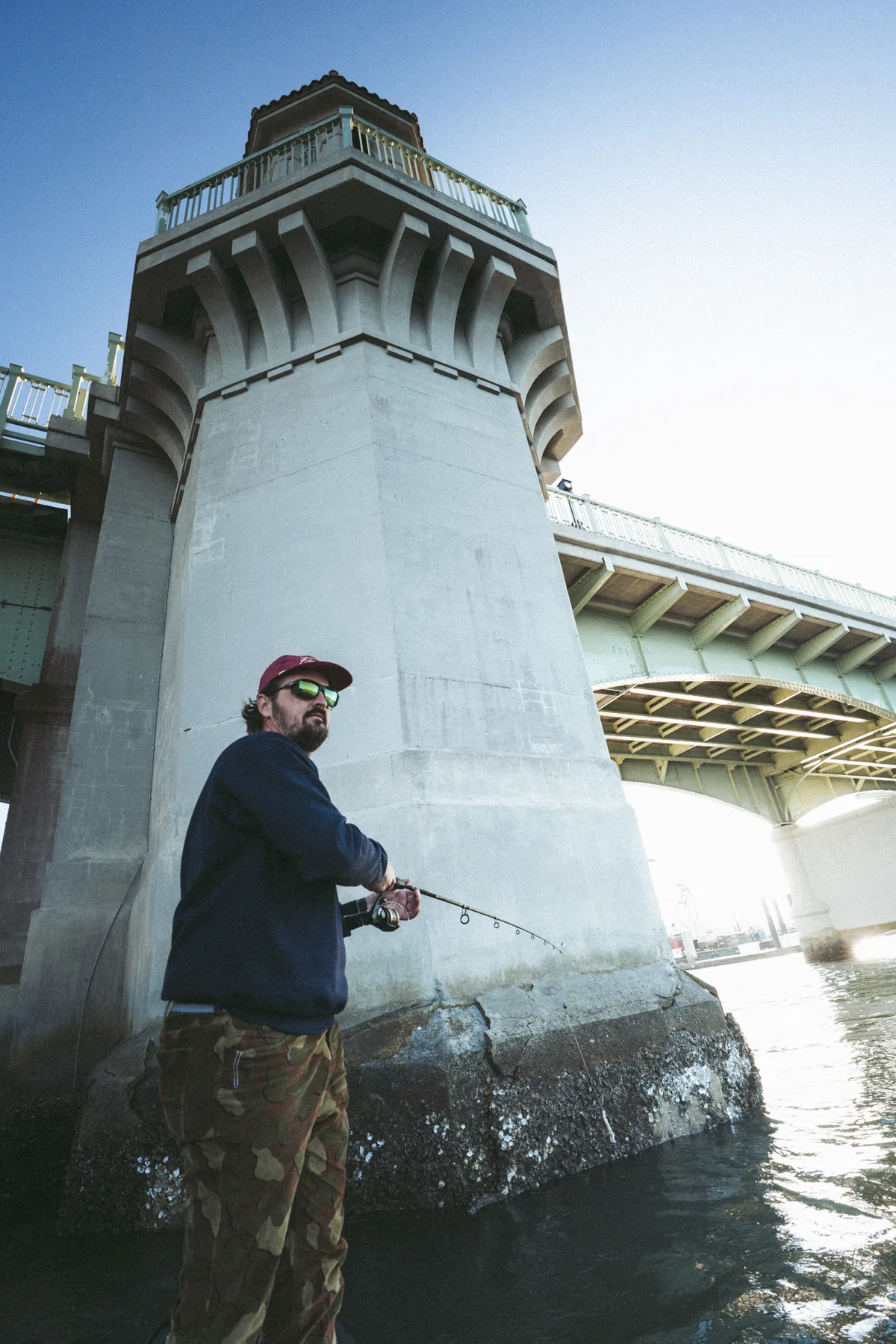
The Castillo de San Marcos and the bayfront are among the most photographed subjects in St. Augustine, for obvious reasons. For commercial production, the NPS permit process governs interior and exterior commercial shooting at the Castillo. The bayfront itself — Matanzas Bay, the Bridge of Lions, the municipal marina — offers extraordinary visual material and generally more accessible permitting for exterior shooting.
Water-based production (boats, drone footage over water, tidal marsh environments) requires awareness of FAA regulations for drone operations and Florida Fish and Wildlife guidelines for certain natural environments. We hold a Part 107 Remote Pilot Certificate and have experience navigating the specific airspace considerations around St. Augustine's historic district and coastal areas.
Flagler College campus
Ponce Hall and the surrounding Flagler College campus is one of the most architecturally significant locations available for production in Florida. The Tiffany glass windows, the Moorish Revival architecture, the courtyard spaces — this is an extraordinary location for any project that requires a historic interior or a visually distinctive exterior setting.
Access requires coordination directly with Flagler College and is subject to the academic calendar and institutional priorities. Productions that have established relationships with the college have an easier path to access — another reason why a local production partner with existing institutional relationships is a practical advantage for projects that want to use these spaces.
Natural environments
St. Augustine's natural settings are as visually rich as its built environment. The salt marshes of the Intracoastal, the beaches of Anastasia Island, the maritime forests, the tidal creeks — these are locations that are accessible, photogenic, and often underutilized by productions focused on the historic district.
For projects that want to capture the full range of what Northeast Florida looks and feels like — not just the colonial architecture but the coastal and natural landscape that defines the region — these environments are essential. And they require a production team that knows them well enough to show up in the right light, at the right tide, at the right time of year.
"I've lived in St. Augustine since 2003. We've permitted shoots at nearly every type of location the city offers. That knowledge isn't just a convenience — it's a production asset that translates directly into more efficient shoots and fewer surprises."
Diego Cerquera, First Sight Films
Why Local Knowledge Is a Production Asset
Everything in this guide is information that's technically available to any production company willing to do the research. What's not available through research is the accumulated practical knowledge of having produced in this city for years — the permit contact who knows the nuances of the process, the location that looks ordinary on a map but is extraordinary in the right light, the time of year when a particular location is accessible and the time when it isn't.
Diego has lived in St. Augustine since 2003. We've permitted shoots at nearly every type of location the city offers. We've navigated the NPS, the city, the county, and the private institution processes more times than we can count. That knowledge isn't just a convenience — it's a production asset that translates directly into more efficient shoots, better location decisions, and fewer surprises.
If you're bringing a production to St. Augustine — whether you're a local organization producing content for the first time or an out-of-market production looking for a local partner who knows the territory — we're the right people to have in your corner.