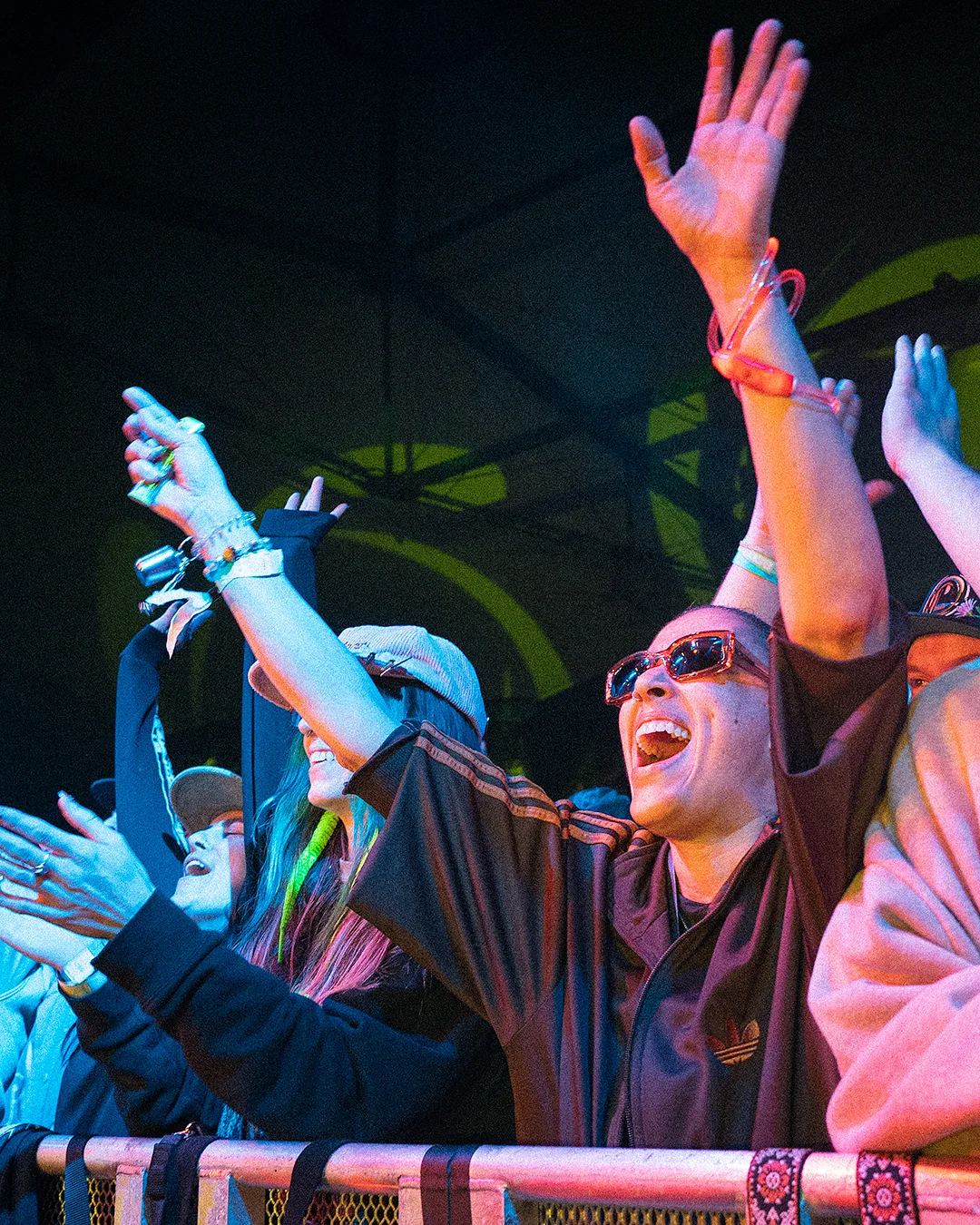
There's a version of event video that almost every live entertainment venue has produced at some point. Shaky footage from the back of the room. The artist backlit into a silhouette. Crowd shots that are mostly the backs of heads. Audio that clips every time the bass hits. It gets posted, it gets a few likes, and it does essentially nothing for next year's ticket sales.
And then there's the other kind. The kind that stops people mid-scroll. The kind that makes someone who wasn't planning to go look up ticket availability. The kind that lives on your website for three years and still converts.
The difference between those two outcomes isn't the event. It's the strategy behind how the event gets documented.
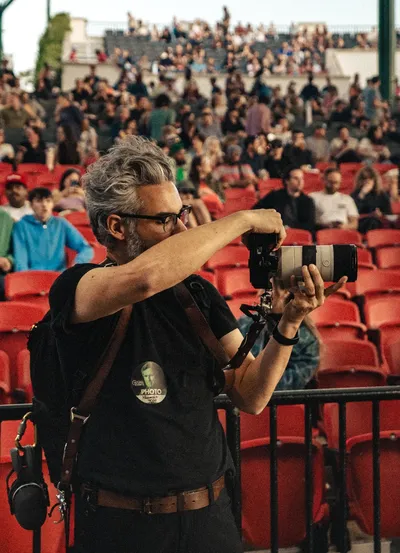
We're First Sight Films, based in St. Augustine, Florida. We've been producing event video and photography for live entertainment venues across Northeast Florida — including the St. Augustine Amphitheatre — for years. Here's what we've learned about what actually works.
The Problem With Reactive Event Documentation
Most venues approach event video reactively. Something is happening, so someone shows up with a camera. The goal is to capture the event. And that's usually about as far as the strategy goes.
The problem is that capturing an event and producing content that drives future ticket sales are two completely different objectives — and the gap between them is bigger than most marketing teams realize.
Content that drives ticket sales needs to answer a specific question for the viewer: what would it feel like to be there? It needs to communicate the energy of the room, the caliber of the performance, the experience of being part of that audience, the feeling that this is a place worth showing up to. That's not documentation. That's storytelling. And storytelling requires intention before the cameras roll.
What Pre-Production Actually Means for Live Events
Pre-production for live entertainment looks different than it does for a branded commercial shoot. You can't stop the show to reset a shot. You can't control the light. You can't ask the artist to do that again.
What you can control is your preparation. Before we shoot any event, we think through a set of questions that most camera operators never ask: What is the emotional arc of this show? Where are the moments most likely to produce an audience reaction worth capturing? What's the story we're telling — the artist, the crowd, the venue, or all three? How does this content fit into the venue's broader marketing calendar?
We scout positions. We coordinate with venue staff about sight lines, lighting cues, and any production elements that will affect what we can capture. We think about audio — because a concert video with bad audio isn't a concert video, it's a liability.
That level of preparation is what separates event documentation from event storytelling. And it's invisible in the final product, which is exactly the point.
The Shot Types That Actually Convert
Not all footage is created equal when it comes to driving ticket sales. After years of producing for live venues, we've developed a clear sense of what works:
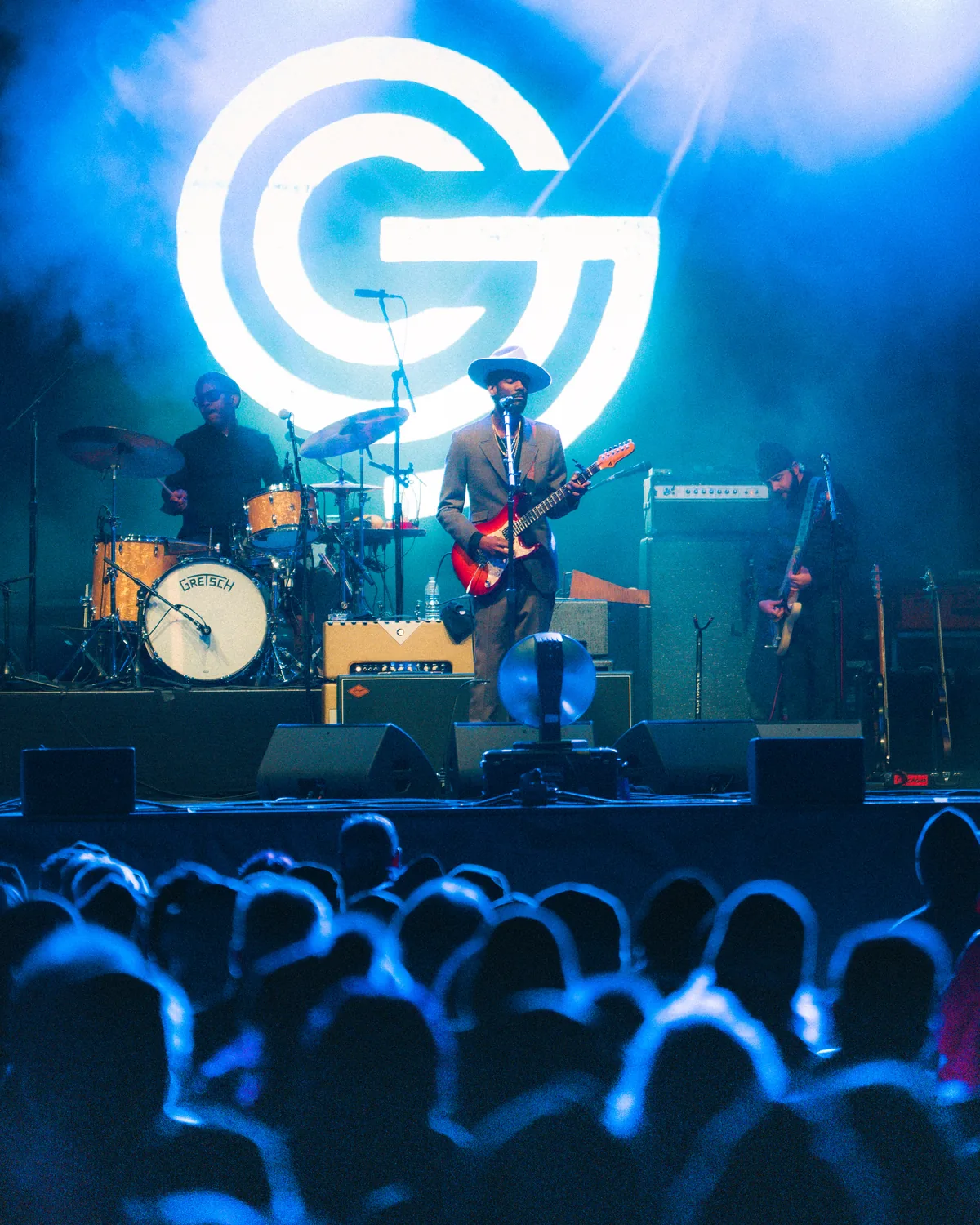
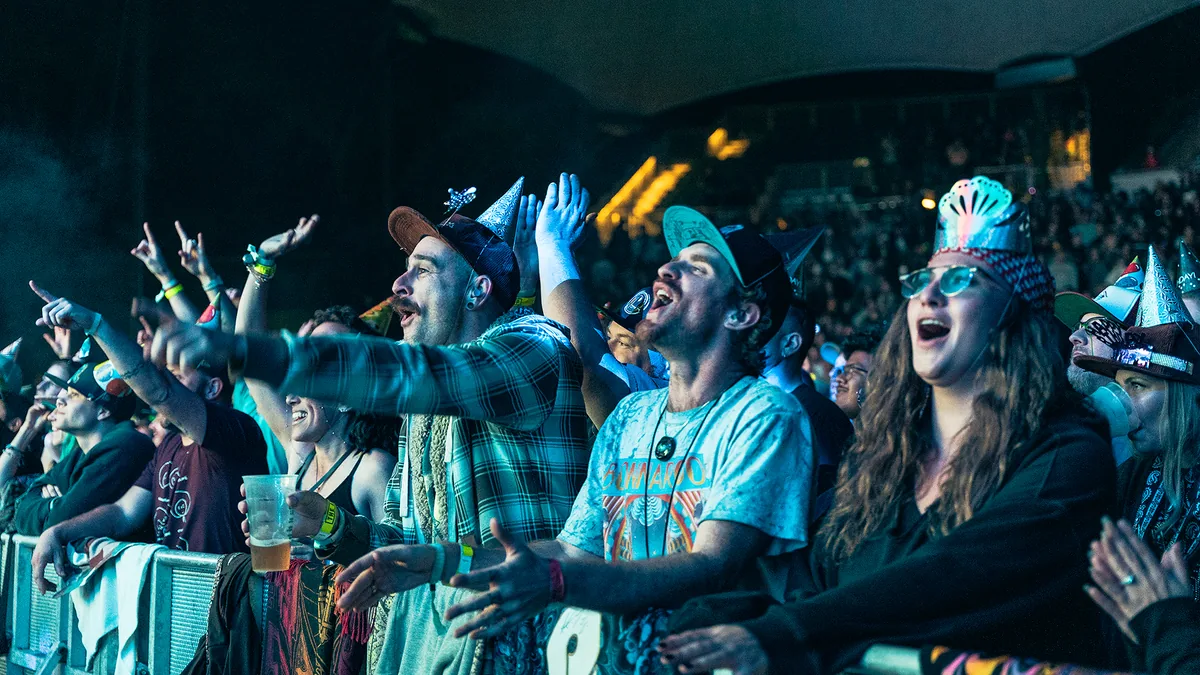
- The crowd moment — genuine audience reaction, not a staged response. People buy tickets to be part of something. Show them what that looks like.
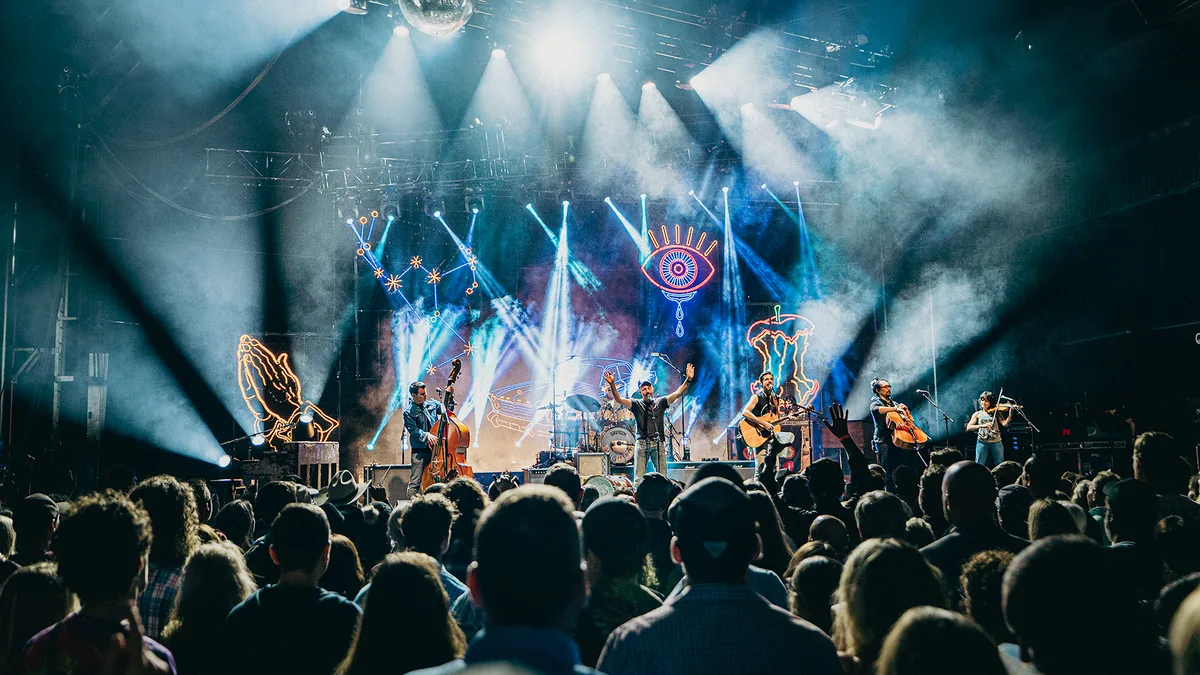
- The wide establishing shot — the full room, the stage, the lights. Context that communicates scale and atmosphere.
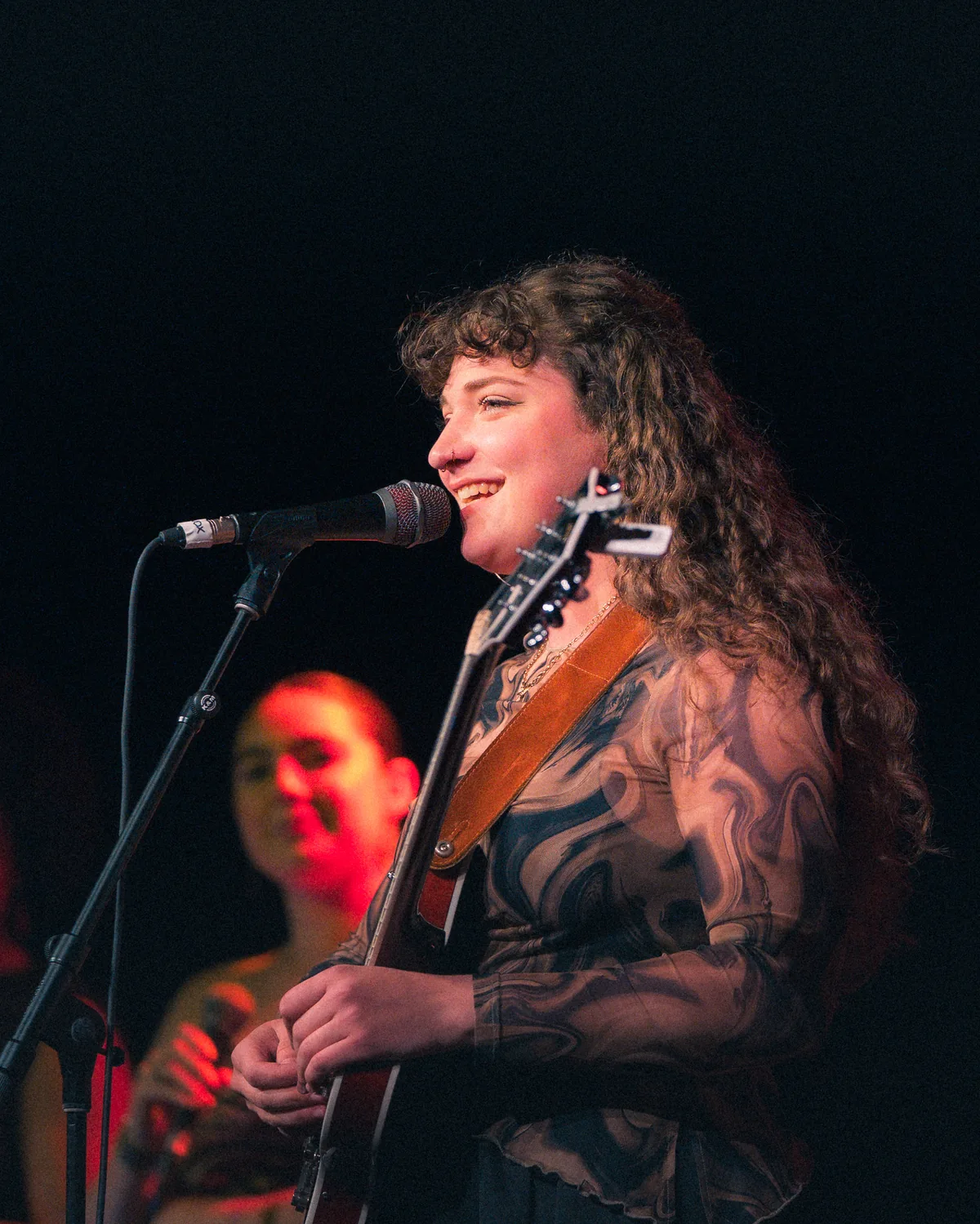
- The detail — the guitar player's hands, the lighting rig, the face of someone fully lost in the music. Details create intimacy and make the viewer feel present.
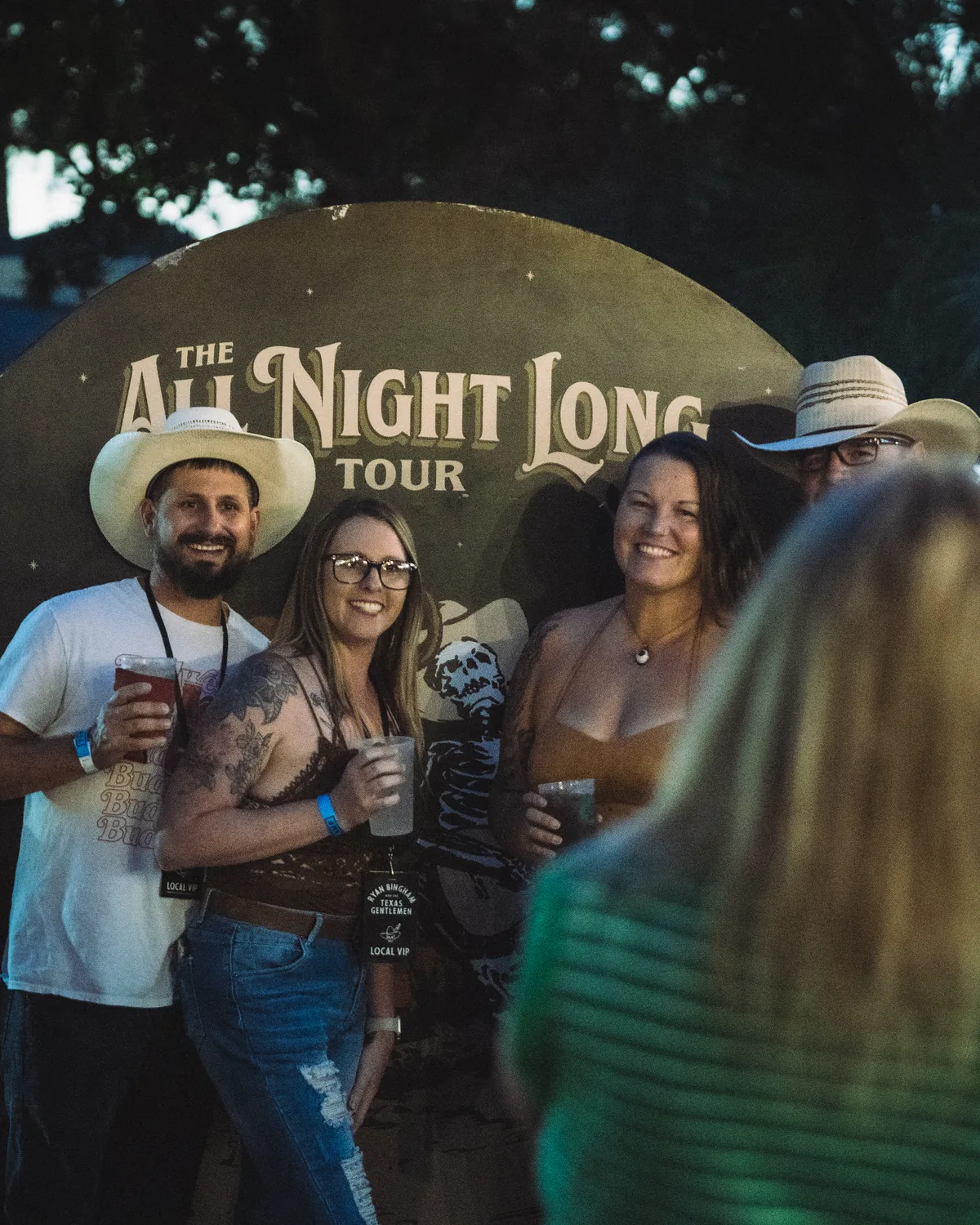
- The arrival experience — what it looks like to walk in, find your spot, be part of the energy before the show even starts. Venues undersell this constantly.
- The artist connection point — the moment where performer and audience are in the same story together. This is the emotional core of any live music video.
The distribution of these shots, and how they're edited together, is where a production company's creative judgment becomes the product. Anyone can capture footage. Very few people know how to build a 90-second film that makes someone want to buy a ticket.
Audio Strategy for Live Event Video
This is the area where the most venue content falls apart, and it's almost always a production decision made before the cameras roll — or not made at all.
Phone audio is not viable for live music content. Built-in camera audio clips, distorts, and sounds like it was recorded from the parking lot. For event video that actually works, audio has to be treated as carefully as the visual.
Options range from a dedicated audio recorder with a quality microphone positioned strategically in the room, to a direct feed from the venue's board, to a hybrid approach that blends multiple sources in post. What's right depends on the venue, the artist, and the intended use of the content. What's wrong is treating audio as an afterthought.
We've produced content for outdoor amphitheater shows where the sonic environment is genuinely complex — wind, crowd noise, natural reverb, and a live mix that's designed for an audience, not a microphone. Getting audio right in that environment takes real preparation. But when it works, it's the difference between a video people watch once and a video people share.
The Long Game: Building a Content Library
The most sophisticated live entertainment venues in Florida aren't thinking about event video one show at a time. They're building an asset library — a body of work that documents the venue's identity over time and gives the marketing team something to pull from across every channel, every season.
A retainer relationship with a production company is the most effective structure for building that library. Rather than commissioning a video after each major show, the venue has a production partner embedded in their operations — present at key events, documenting consistently, and building a body of work that reflects the full character of what the venue is.
The St. Augustine Amphitheatre has one of the most distinctive identities in Florida's live music scene. The historic setting, the open-air atmosphere, the caliber of programming — these are extraordinary assets for visual storytelling. A content library built thoughtfully over time makes those assets work harder across every platform and every sales cycle.
"Anyone can capture footage. Very few people know how to build a 90-second film that makes someone want to buy a ticket."
Diego Cerquera, First Sight Films
What to Look for When Choosing a Production Partner
- Live event experience specifically — not just corporate or commercial work. Live events are a different craft.
- An audio strategy, not just a camera strategy. If they can't tell you how they're handling sound, move on.
- A reel that demonstrates emotional storytelling, not just technical competence.
- Familiarity with your market and your audience — someone who understands what drives ticket buyers in your region.
- A long-term orientation — a partner who wants to build something over time, not just deliver a deliverable.
First Sight Films produces live event video and photography for venues across Northeast Florida. If you're building content that sells tickets, not just documents shows — let's talk.