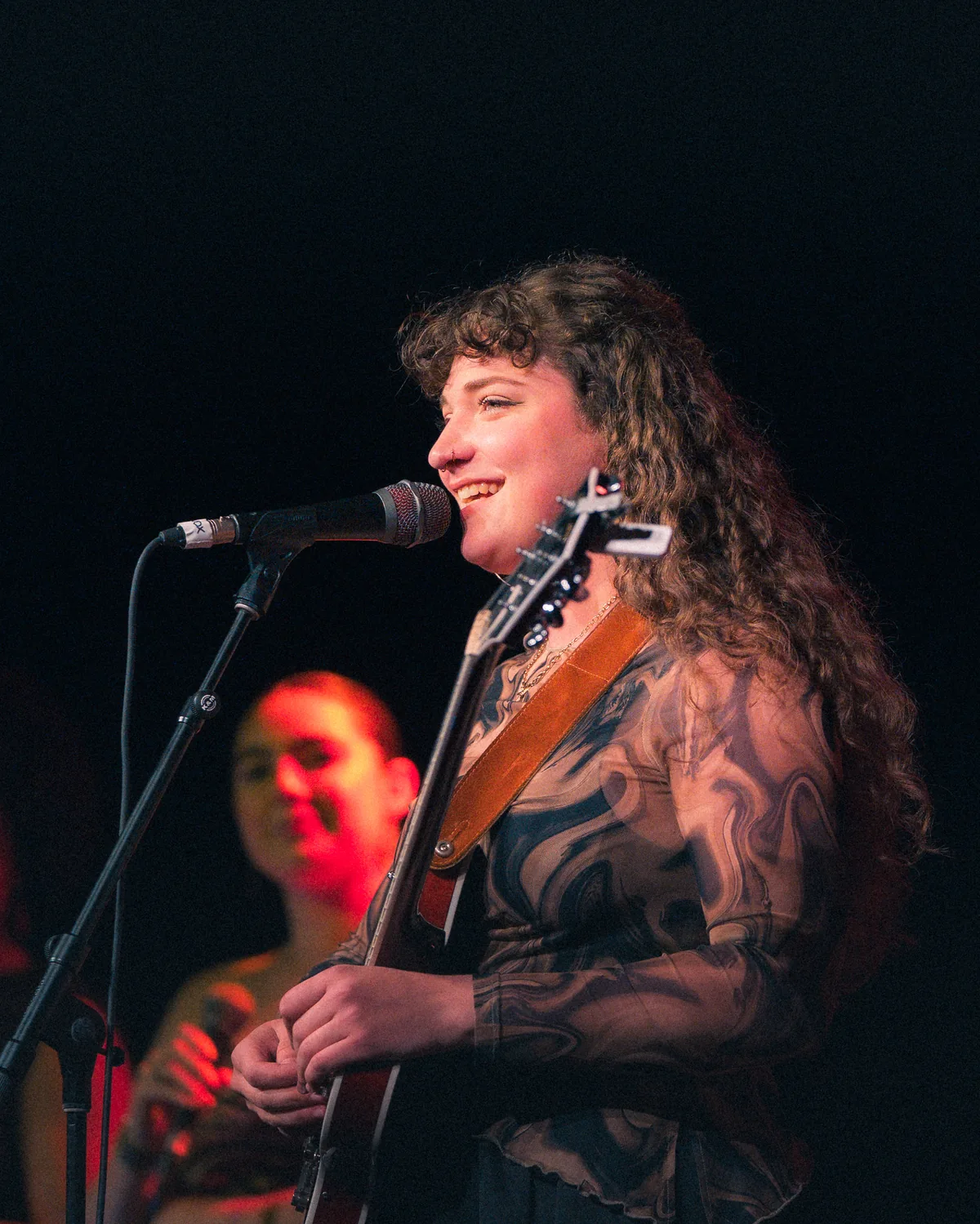
Outdoor amphitheater production is its own category of challenge. You're dealing with variable natural light, unpredictable weather, complex audio environments, physical distance between the production team and the stage, and show-night logistics that don't allow for do-overs.
The fact that a production company does great work in a studio or at an indoor corporate event tells you very little about how they'll perform at an outdoor amphitheater show in Northeast Florida in August. Here's what to look for when you're evaluating production partners for this specific kind of work.
Experience in Live Outdoor Environments — Specifically
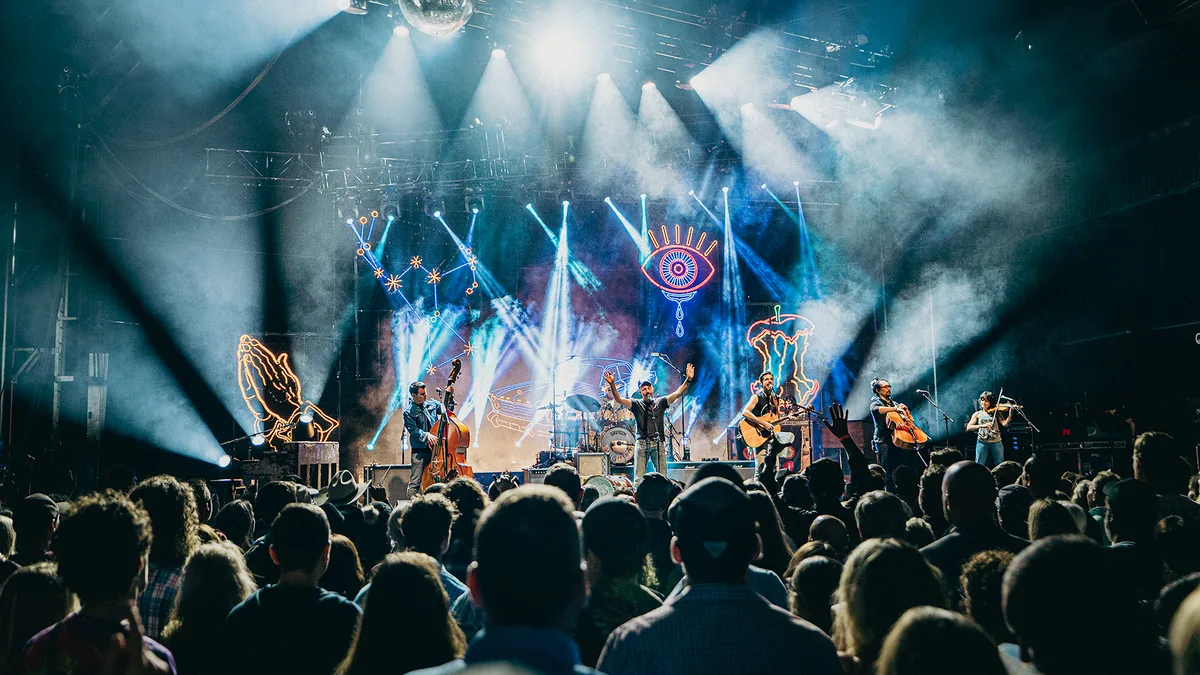
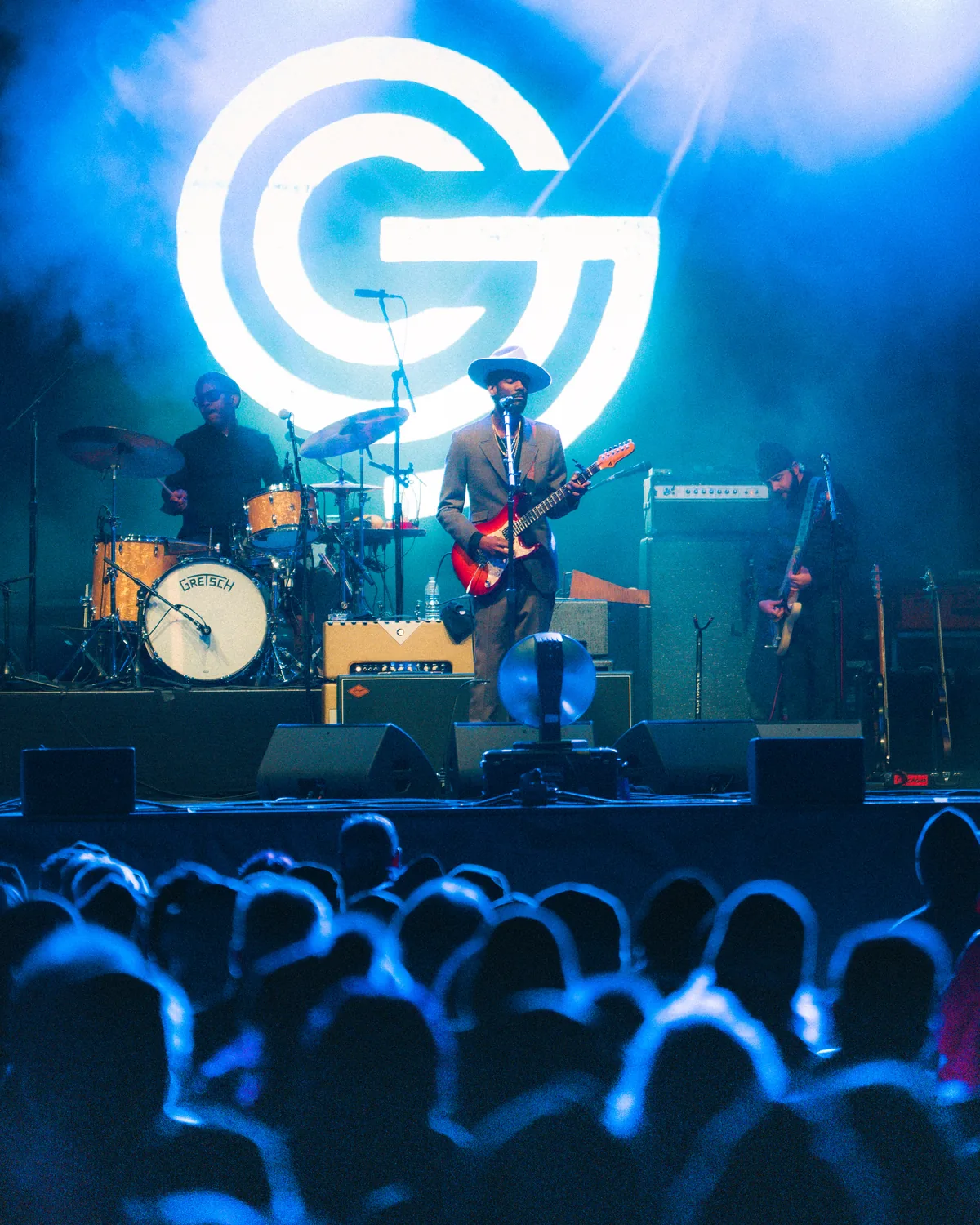
Ask to see work from outdoor shows — not studio work, not corporate events. Outdoor concert footage. Look at the exposure: is the stage properly lit while the crowd is still visible, or does the camera choose one and lose the other? Look at the audio: does it sound like a real concert, or like a recording made from the parking lot? Look at the movement: does the camera work feel confident and intentional, or reactive and desperate?
These things are only learned from experience. A production team that has shot fifty outdoor shows has developed the instincts — the positioning habits, the exposure strategies, the audio solutions — that make the difference between footage that works and footage that gets shelved.
An Audio Strategy That's Actually a Strategy
This is the single most common failure point in outdoor event production, and it's almost always the result of a production company that hasn't thought seriously about audio.
Outdoor amphitheater shows produce a sonic environment that's genuinely complex. The natural reverb of an open space. Wind. Aircraft. The gap between where the speakers are pointed (at the audience) and where the microphone is (not in the audience). The difference between the live mix the front-of-house engineer has dialed in for the crowd and what actually sounds good in a video recording.
Ask any production company you're considering: how do you handle audio at outdoor shows? If the answer is vague — a reference to a good microphone or a camera with good preamps — that's not an answer. A real audio strategy for outdoor events involves a plan for source capture, a backup approach, and an understanding of how to handle audio in post when the on-site capture is imperfect.
We've worked through enough Florida summer shows — with thunderstorms rolling in off the coast and wind that comes from nowhere — to have genuine answers to these questions. Make sure whoever you hire does too.
Familiarity with the Florida Climate
This sounds basic until you've seen an out-of-state production team arrive in St. Augustine in July without any plan for the heat, the humidity, or the afternoon thunderstorm that shows up every day at 4pm and sometimes doesn't leave before showtime.
Equipment behaves differently in high humidity. Batteries drain faster in heat. Condensation on lenses is a real issue when you move between air-conditioned green rooms and the outdoor stage. And the light in Northeast Florida — golden hour, the way the sky changes as a storm passes, the particular quality of coastal dusk — is something that rewards knowing rather than encountering for the first time.
A production team that lives and works in this climate every day has already solved for these challenges. They're not learning on your dime.
A Long-Term Orientation
The best production partners for live entertainment venues aren't thinking about individual shows. They're thinking about the body of work.
A production company with a long-term orientation will care about how this show's content fits into the venue's broader visual identity. They'll think about building an archive. They'll flag the moments that have lasting value beyond a single social post. They'll show up with context — knowing what the venue produced last season, understanding what's changed, tracking what's worked and what hasn't.
Ask any production company you're considering: do you have relationships with venues that have lasted multiple years? Can we talk to a marketing director you've worked with long-term? The answers will tell you whether you're talking to a vendor or a partner.
The Right Questions to Ask in the Evaluation
- What's your approach to outdoor audio capture? Walk me through it.
- How do you handle unexpected weather or lighting changes at an outdoor show?
- Can I see footage from an outdoor show specifically — not studio or indoor work?
- How do you structure the deliverable timeline around the marketing team's needs?
- What does a long-term production relationship with your company look like?
"A production team that lives and works in this climate every day has already solved for these challenges. They're not learning on your dime."
Diego Cerquera, First Sight Films
At First Sight Films, we've built our live event practice at one of the most distinctive outdoor venues in Florida. We know the challenges of this specific kind of production — and we've developed the answers that only come from years of showing up and figuring it out.
If you're evaluating production partners for your venue, we'd welcome the conversation.