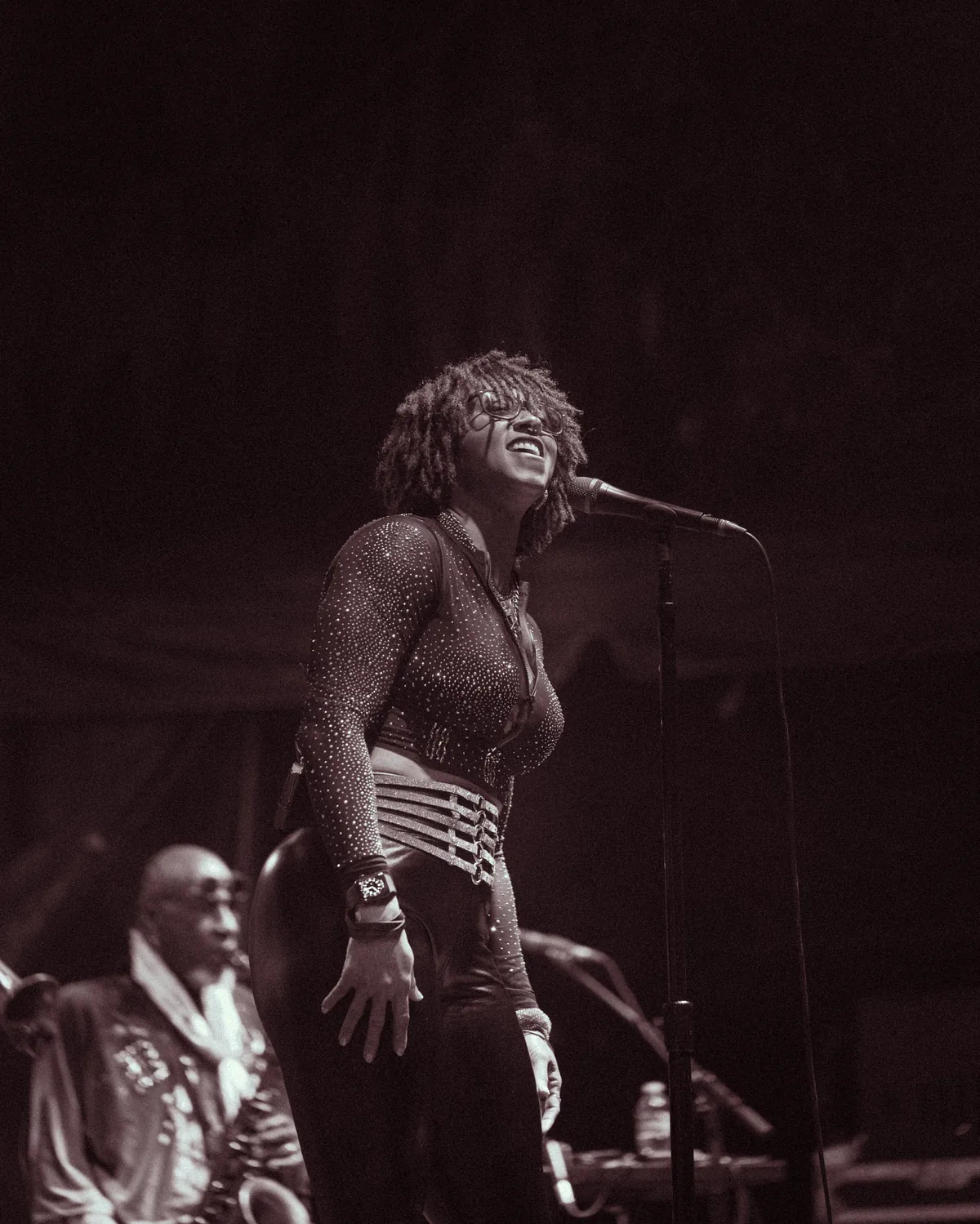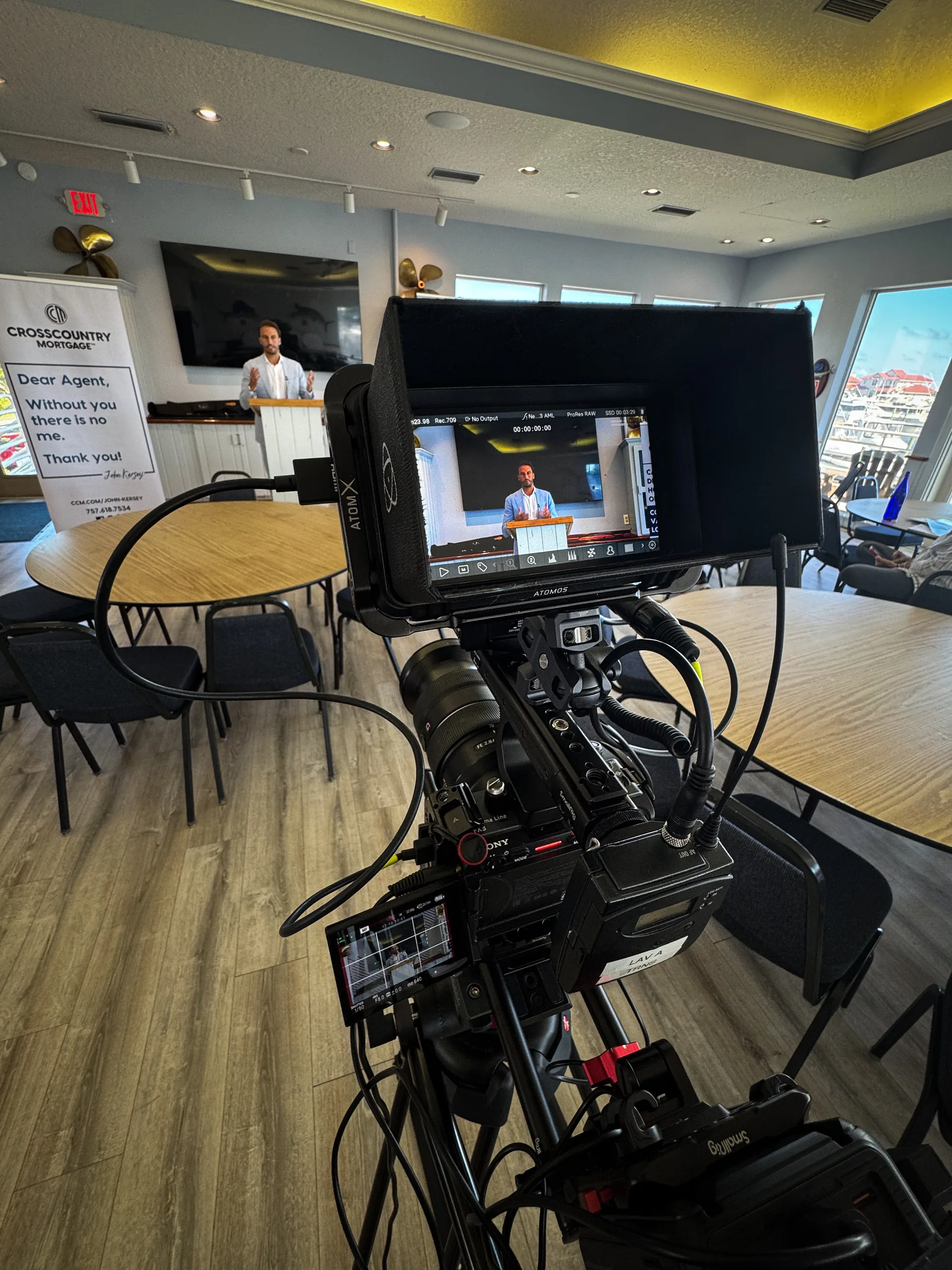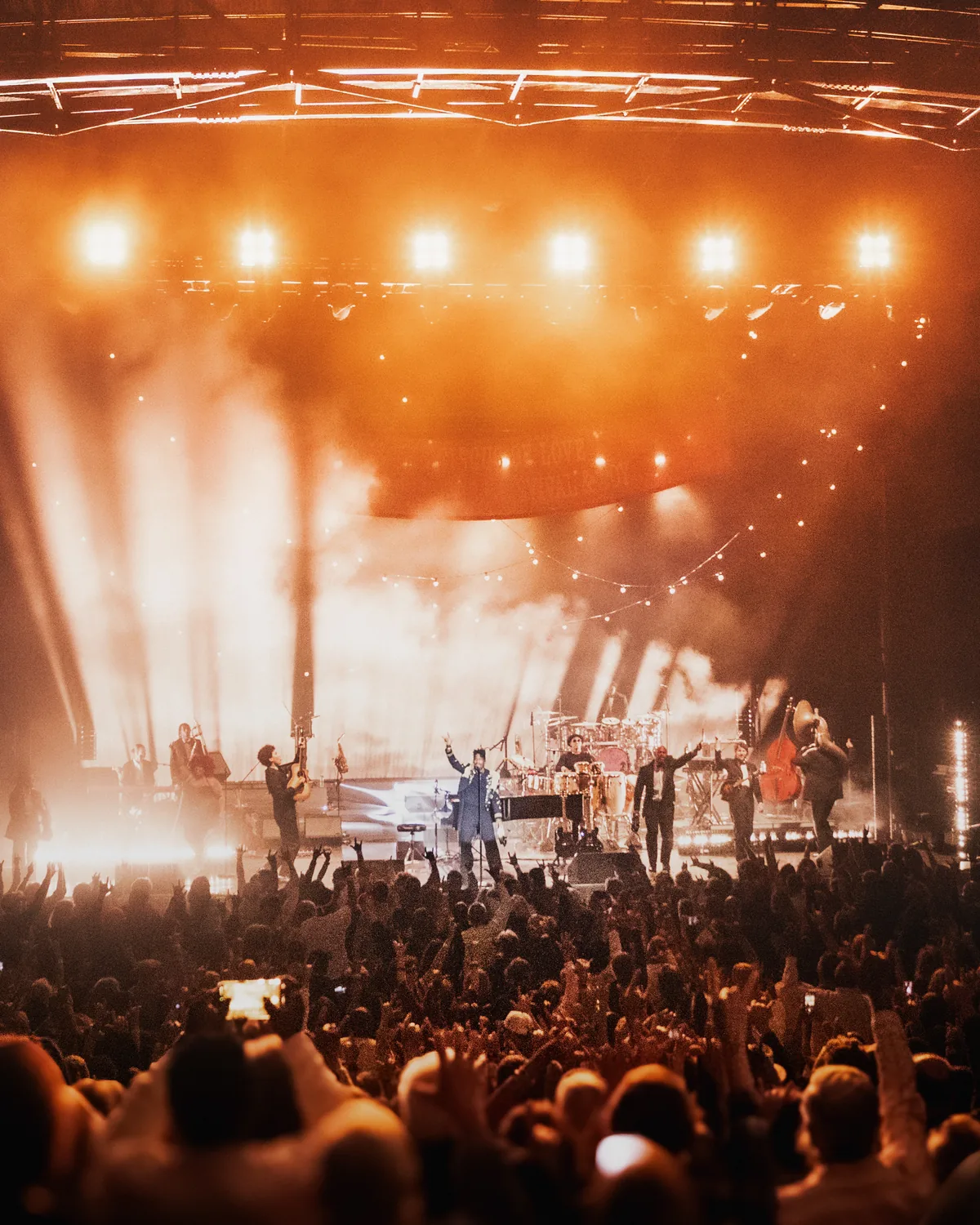
The recap reel is where most cultural institution video begins — and, unfortunately, where it ends.
You know the format. A montage of the event or exhibition, set to upbeat music, cutting between smiling faces and program highlights, ending on the organization's logo. It's produced, it gets posted, it collects a modest number of views from people who were already there, and then it disappears into the feed.
This is not a content strategy. It's documentation with a soundtrack. And for cultural organizations with serious communication objectives — growing audiences, building donor relationships, competing for grant funding, deepening community engagement — the recap reel as the primary (or only) form of video content is a missed opportunity of the first order.
Here's what a real video strategy looks like for a cultural institution, and why the difference matters.
Start With the Audience, Not the Organization
The fundamental error in most cultural institution video is that it's made from the inside looking out. It documents what the organization did. It celebrates the event that just happened. It tells the story from the institution's perspective, in the institution's language, for an audience that's already converted.
Strategic video starts with a different question: who are we trying to reach, and what does that person need to feel or understand in order to take the action we want them to take?
That question produces completely different content. A museum trying to reach first-time visitors doesn't need a recap of the last exhibition — it needs a film that answers the question a prospective visitor is actually asking: what will it feel like to be there? A foundation funder reviewing grant applications doesn't need a highlights reel — it needs evidence of real community impact, told through the voice of a specific person the program reached. A major donor considering a capital campaign gift doesn't need an institutional overview — they need to feel the stakes of the work and understand what their investment will actually build.
Each of those is a different film. Each requires a different approach. And none of them is a recap reel.

A Framework for Cultural Institution Video
Rather than thinking about individual pieces of video content, cultural organizations benefit from thinking about a portfolio — a set of content types that serve different audiences and different objectives in the organization's communication ecosystem.
The Brand Film
This is the foundational piece — a 3 to 5 minute film that answers the question: who is this organization, why does it exist, and why should you care? It lives on the homepage, it anchors the grant application packet, it opens the donor presentation. It's made once and updated periodically. It's the piece of content that does the most work per view of anything in the portfolio.
A great brand film for a cultural institution is not a promotional video. It's a documentary. It has a point of view. It has characters — real people who are part of the organization's story. It has a tension and a resolution. It earns its conclusion rather than asserting it.
The Impact Story
Short-form — 60 to 90 seconds — built around a single person whose life or community has been touched by the organization's work. This is the most powerful format available for donor stewardship and grant supplementals. It doesn't try to summarize the whole program. It goes deep on one true story and trusts that story to carry the weight of the larger work.
Impact stories are also extremely effective for social media and email — they're short enough to be consumed on a phone, emotionally specific enough to stop the scroll, and personal enough to feel like something worth sharing.
The Program or Exhibition Film
A deeper dive into a specific program, exhibition, or initiative — typically 5 to 8 minutes, designed for an audience that's already interested in the subject matter and willing to spend time with it. This format works well for the organization's website, for partner communications, and for press outreach. It's also the format most appropriate for archival purposes: the documentary record of a significant program or exhibition that will matter to the organization's history.
Ongoing Event and Program Documentation
This is where the recap reel lives — but in a strategic portfolio, it's not doing the heavy lifting. It's supporting the other formats, providing footage for future use, and feeding the social media content calendar. When it's understood as one piece of a larger system rather than the primary output, it gets made appropriately — efficiently, consistently, without over-investment in any single event.
The Retainer Model and Why It Fits Cultural Institutions
One of the structural challenges for cultural institutions is that their content needs are ongoing and cyclical — tied to exhibition schedules, grant cycles, donor communications, and community programming — but their budgets are often structured around individual project approvals.
A retainer relationship with a production company resolves this tension. Rather than commissioning individual videos on an event-by-event basis — each one requiring a new scope, a new approval, a new onboarding — the organization has a production partner embedded in its annual rhythm. The brand film gets updated when it needs to. Impact stories get produced after every major program. Event documentation happens consistently. And the strategic thinking about what content serves which audience happens in advance, not reactively.
The organizations we work with on retainer get more content, better content, and content that's more strategically coherent — at an effective cost that's almost always lower than commissioning the same volume of work project by project. The math works. More importantly, the communication works.
"Strategic video starts with a different question: who are we trying to reach, and what does that person need to feel or understand in order to take the action we want them to take?"
Diego Cerquera, First Sight Films
One Honest Observation
Cultural institutions often undersell themselves. The work they do is genuinely important — sometimes even extraordinary — and they've developed a communication habit of modesty that doesn't serve them in a competitive grant and donor landscape.
Good video doesn't manufacture importance. But it does let the real importance of the work speak at full volume. It creates the conditions for a funder, a donor, or a prospective audience member to actually feel what the organization does and why it matters — rather than just reading about it.
That shift — from telling to showing, from asserting to demonstrating — is what strategic video does for cultural institutions. And it's available to organizations of every size, at every stage of their development. You don't need a Hollywood budget. You need a production partner who understands your mission, knows how to find the true story inside your work, and knows how to tell it in a way that moves people.
If you're ready to think strategically about your organization's video presence, let's talk.