This question comes up in almost every first conversation we have with a new client — sometimes directly, sometimes embedded in the way they describe what they're looking for. And it's a genuinely important distinction, because hiring the wrong one for your situation doesn't just produce a suboptimal outcome. It produces a fundamentally different product than the one you needed. If you're weighing the choice in Northeast Florida, here's how our St. Augustine video production team approaches it.
The terms get used interchangeably, but they describe different things. Here's the honest breakdown.
What a Videographer Is
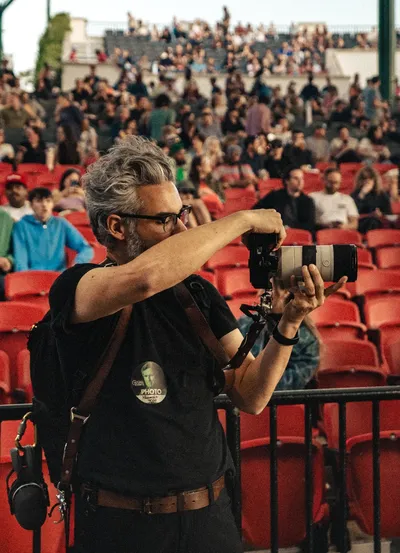
A videographer is a skilled individual who captures video. They typically own professional camera equipment, understand composition and exposure, can operate a gimbal or a drone, and can edit footage into a finished product. Many videographers are genuinely talented. Some produce work that's technically excellent.
The videographer model is built around a single person doing most or all of the work: operating the camera, managing audio, directing the shot, and editing the final cut. That creates a natural ceiling on what's possible — in terms of production complexity, crew coverage, simultaneous angles, and the depth of creative direction that can happen when one person is responsible for everything at once.
A videographer is the right choice for certain situations: a small business that needs a simple social media clip, a single-camera interview for internal use, a basic event documentation job where the primary requirement is coverage rather than storytelling. For those use cases, a videographer offers flexibility and a lower price point that makes sense.
What a Video Production Company Is
A video production company is a team-based operation with a defined process for taking a project from strategic brief to finished deliverable. The key word is team — because the presence of multiple people in defined roles changes what's possible in fundamental ways.
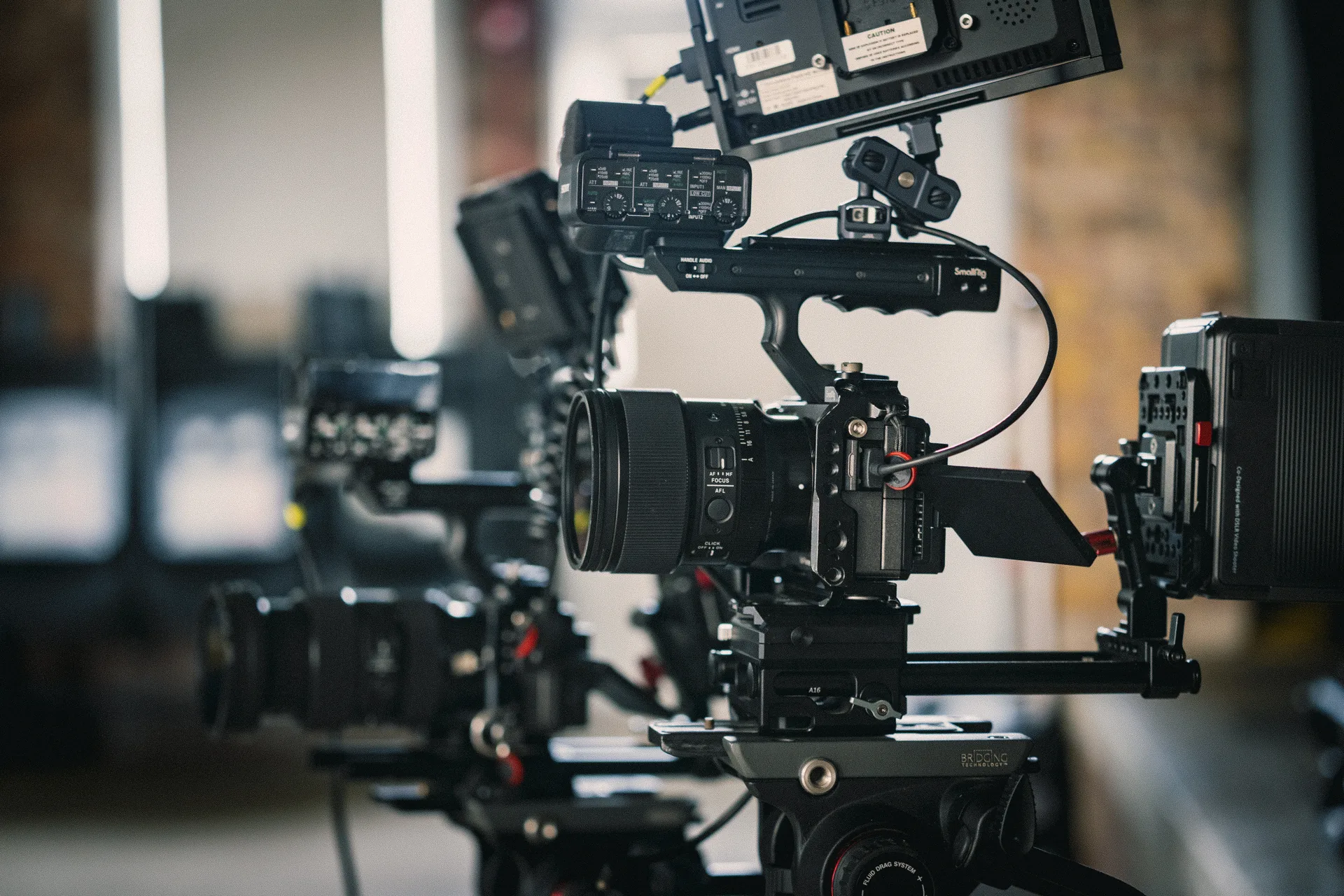
A production company separates the functions that a videographer combines. There's a creative director whose job is to think about the story, the structure, and the objective of the content — without also trying to manage an audio recorder and watch the exposure at the same time. There's a camera operator focused on capturing the image. There's someone managing audio. There's an editor who approaches the footage with fresh eyes and builds the story in post.
That separation of functions isn't just an organizational detail. It's what enables a different quality of work. The creative director who isn't behind the camera can watch what's happening in the room and make decisions about where the story is going. The camera operator who isn't also managing audio can focus entirely on the image. The editor who didn't shoot the footage can make objective decisions about what serves the story and what doesn't.
The Practical Differences
Pre-production depth
A production company invests meaningfully in the work that happens before the cameras roll — understanding the client's communication objective, developing the creative approach, scouting locations, planning the shot list, coordinating logistics. This is where a significant portion of the value in professional production comes from, and it's work that most solo videographers don't have the capacity or the process to do at scale.
Creative direction
On a production company shoot, there's a person whose entire job is to watch what's happening and make creative decisions. Is this interview landing the way it needs to? Is the energy in this room what the story requires? Are we getting what we came for, or do we need to adjust the approach? That function — active creative direction during production — is almost impossible to perform well when you're also operating the camera.
Post-production sophistication
Professional color grading, sound design, music licensing, motion graphics, multi-camera editing — these are disciplines in themselves. A production company with dedicated post-production capacity produces a finished product that looks and sounds fundamentally different from what most solo videographers can deliver, because the people doing the work have specialized in it.
Scalability
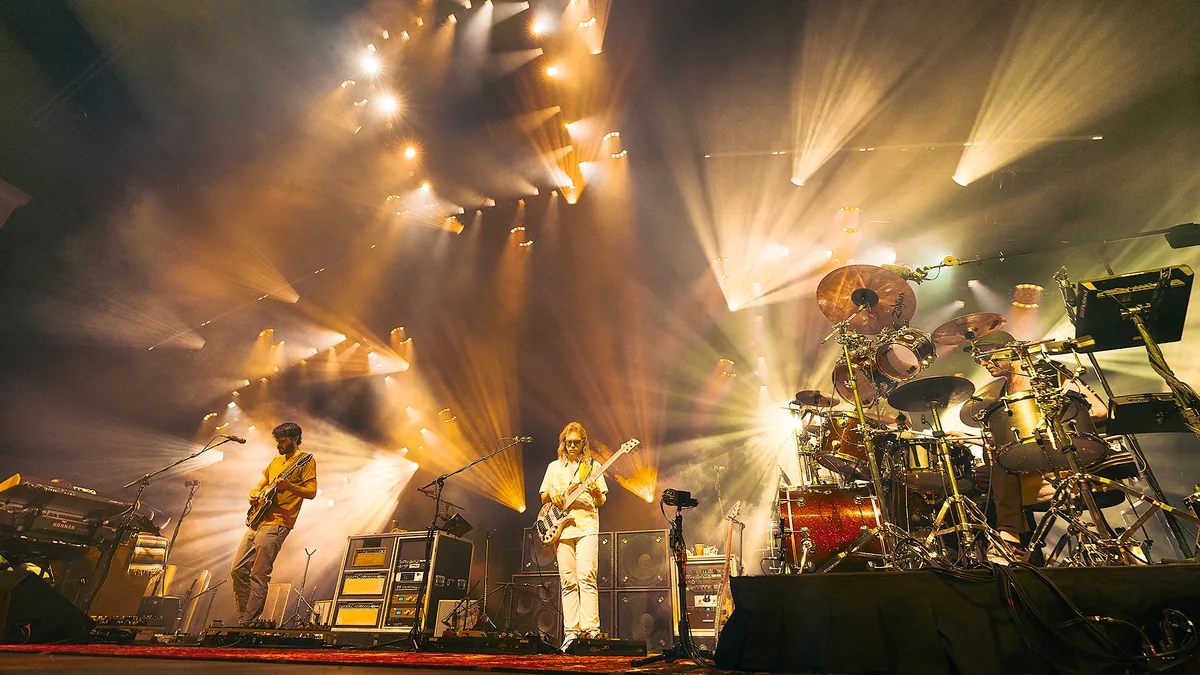
A production company can scale to the demands of a project. Multiple camera positions, simultaneous coverage of different areas at a live event, a full-day commercial shoot with a complex shot list — these require a team. A solo videographer is one person. When the project exceeds one person's capacity, something gets left out.
When Each Makes Sense
A videographer makes sense when: the content is relatively simple, the budget is limited, the primary need is coverage rather than storytelling, and the stakes of the finished product are low to moderate.
A production company makes sense when: the content needs to carry significant brand weight, the communication objective is complex, the production environment is demanding (live events, multi-location shoots, documentary-style work), or the content will be used in high-stakes contexts like grant applications, major donor cultivation, or primary marketing channels.
"One clarifying question: what happens if this content doesn't work? If the answer is that a missed opportunity has real consequences for your organization, then the production approach that gives you the best chance of it working is worth the investment."
Diego Cerquera, First Sight Films
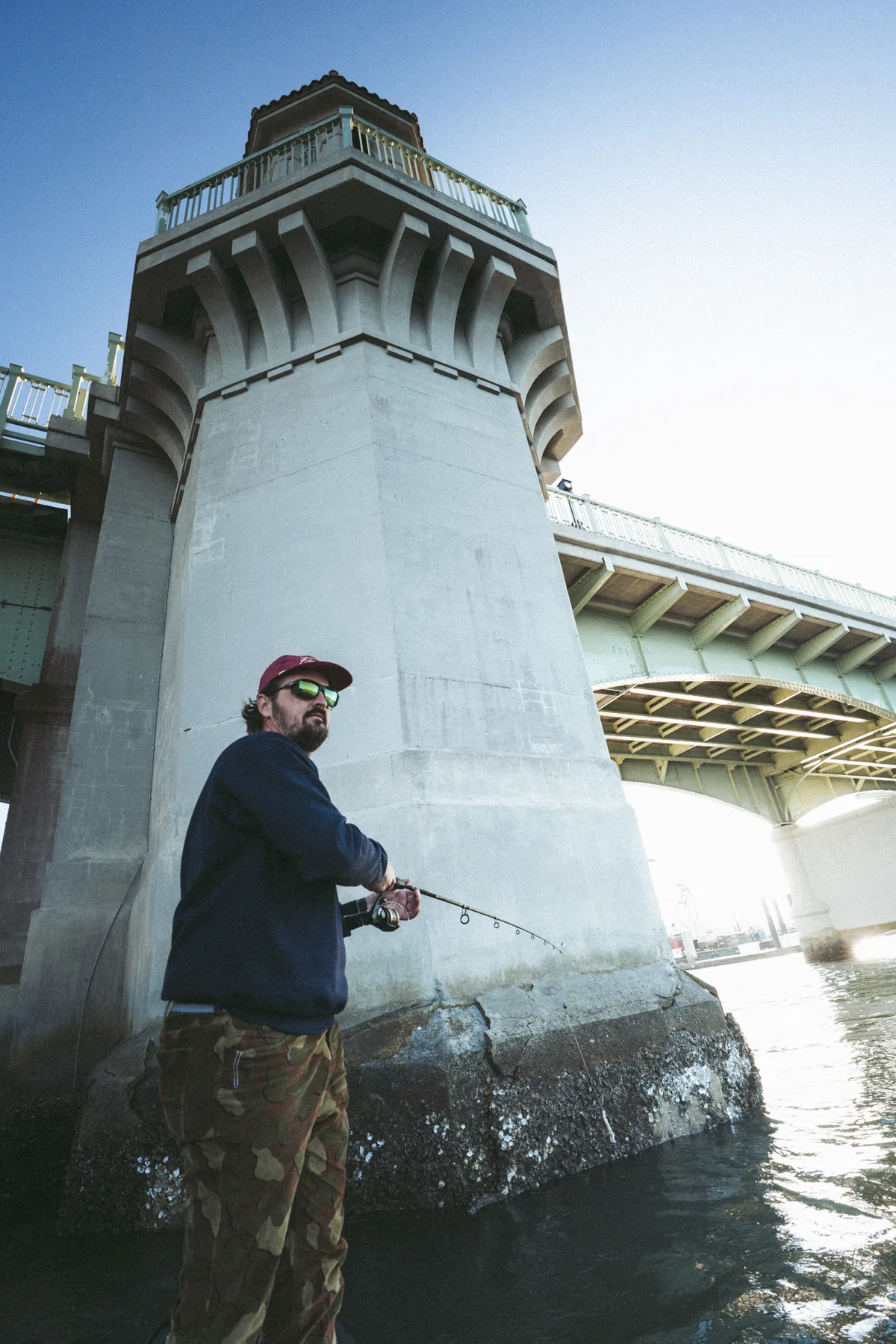
At First Sight Films, we operate as a production company with a documentary sensibility. We're a team, we have a process, and we bring creative direction to every project we take on. If you're trying to figure out whether what you need is a videographer or a production company, we're happy to help you think it through honestly — even if the answer is that a videographer is the right fit for your situation.