
Guides · Event Services · St. Augustine, FL
Photo vs Video for Events: Do You Need Both?
If you're booking coverage for an event — your own or a client's — you usually start with a direction already in hand: photo, video, or one of the two. This guide is for the moment before that's final, because the right call depends less on the event and more on one question: what do you want the footage to do afterward? First Sight Films covers 50+ events a year across Northeast Florida in both photo and video, and we'll lay out what each format is genuinely best for, when one is enough, when video becomes essential, and why having one team do both beats hiring two vendors.
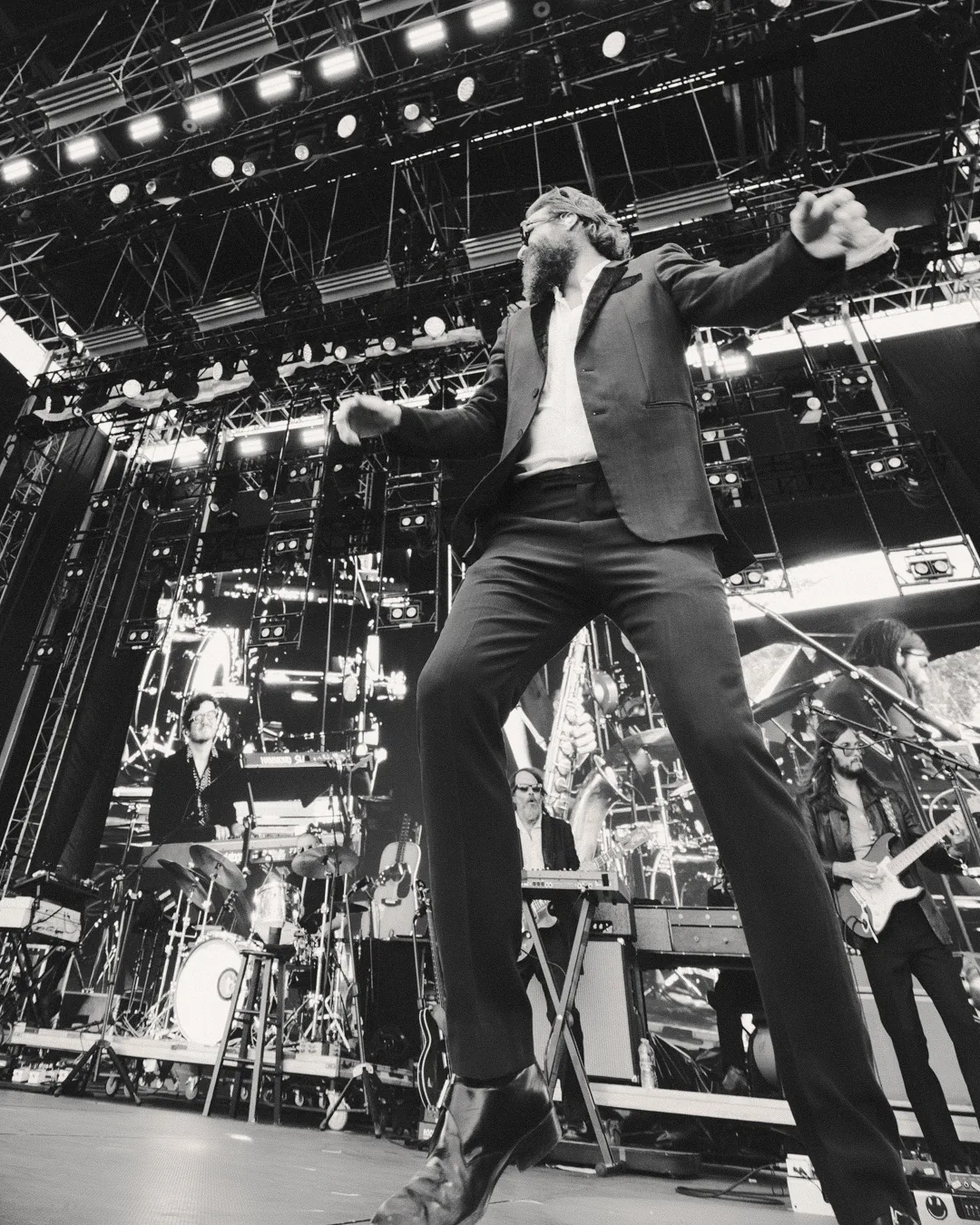
Photo, video, or both — how to actually decide
A wedding-style "capture the memories" brief and a "grow our event and our brand" brief lead to completely different coverage. Decide what the content has to accomplish first, and the format answers itself. The rest of this guide walks through each — and if you're still shortlisting vendors, pair it with the questions to ask before you book.
What is event photography best for?
Photos are the workhorses of event coverage. They're what your team posts the same day, what the press runs, what goes on the website, in the recap email, in next year's brochure, and on the badge wall. They're the headshots from the networking session and the wide shot that proves the room was full. They're also faster to turn around — we deliver edited galleries within 72 hours, and same-day when a launch depends on it. And images still pull their weight on social: depending on the platform, static photos can out-engage video, which is exactly why a photo-and-video strategy beats betting everything on one format. Event photography gives you volume, speed, and reach across every channel that takes a still — which is every channel.
Photos also do jobs video can't: the press needs a high-resolution still, not a video file; a printed program, a step-and-repeat banner, or a sponsor thank-you ad runs on images; and a year later, when someone needs "a good shot of the keynote" for a deck or a grant report, they reach for a photo, not raw footage. One event can yield hundreds of usable stills — enough to feed a recap email, a website refresh, and a season of social posts from a single shoot.
What is event video best for?
A photo proves the keynote happened; video lets people feel it — the room's energy, the speaker's delivery, the attendee who tears up during the testimonial. That's why video is the single most effective content format for B2B marketers, ahead of case studies (Content Marketing Institute, 2025), and the highest-ROI format marketers use (HubSpot, State of Marketing 2026). It's also where the audience is: 85% of U.S. adults use YouTube, and YouTube is now the #1 share of U.S. TV viewing (Nielsen, The Gauge 2025). A still gets a glance; a good event video gets watched, shared, and re-watched — and keeps working long after the event ends.
When is video a must? Three signals
If any of these is on your client's wish list, photo alone won't get them there:
- They want to grow next year's attendance. Events lose roughly 70% of their audience year over year (Skift Meetings / EventMB, 2026), and what brings attendees back is the experience and content they couldn't get anywhere else — the substance a recap film captures and keeps promoting. And 69% of people find experiences through word-of-mouth, which shareable recap and testimonial clips are built to fuel.
- They want a library of marketing assets. One shoot becomes a year of content — a recap, session clips, speaker soundbites, vertical cuts, an on-demand library — and repurposing a single shoot into many cuts is the top efficiency play marketers cite (HubSpot, 2026; Cvent, 2025). If they plan to advertise the event — or the brand — over the next few years, those assets only exist if someone shot video.
- They're marketing on social or their website. 64% of Gen Z and 61% of Millennials discover events through social, and short-form video is the format audiences say they engage with most. A website hero, a paid social campaign, a YouTube channel — all of it runs on video.
When the brief is "we want this event to be bigger and better-known," video isn't a nice-to-have. It's the deliverable that does the job.
So — do you need both?
Both isn't an upsell — it's coverage that matches how content actually gets used. The photographer feeds the same-day posts, the press, and the print; the video team builds the recap, the testimonials, and the assets that carry the marketing for months. You need one when the brief is genuinely narrow — a small internal event where a handful of stills for the record is all anyone will use. The moment the content is meant to be seen, shared, or sold against, both formats earn their place.
A quick gut-check: if you'd be disappointed to finish the event with only photos, or with only video, you need both. Most organizers, once they picture the recap film they'd want and the gallery they'd post the next morning, realize they'd miss whichever one they cut.
What does "both" cost versus one?
Booking a photographer and a videographer separately means two deposits, two contracts, and two crews working around each other. One integrated team is more efficient on price and on the day. Our combined coverage starts at $5,500; for the full breakdown — and what photo-only or video-only runs — see the event coverage cost guide.
Why one integrated team beats two vendors
The classic problem with hiring two companies is the day-of collision: the videographer needs the clean wide shot the photographer is standing in, or vice versa. With one team, the photographer and videographer work a single capture plan and divide the moments between them, so the keynote, the reaction, and the room all get covered — and nobody's in anybody's frame. We also shoot with distribution in mind: a deliberate shot list (speaker entrances, reactions, breakout footage, branded signage, interviews) built around what the marketing will need next, not just what looks good on the day.
There's a scheduling benefit, too. Two vendors mean two contracts, two invoices, and two crews to brief and badge into the venue; one team is one quote, one plan, and one group accountable for the whole deliverable. That matters most when the schedule shifts on the day and someone has to decide, in the moment, what still gets covered.
What you walk away with from a combined shoot
A combined shoot is designed to turn one event into a content library: edited photos delivered fast, a highlight edit and a recap film, vertical cuts for social, testimonial and speaker clips, and a stringout of graded footage your team can keep editing. You get full usage rights to all of it. That's the difference between "we covered the event" and "we have a year of marketing from the event."
The practical payoff is reach across every channel at once: the same event feeds your website hero, a LinkedIn recap, a vertical clip for Instagram and TikTok, the sponsor wrap-up, the press kit, and next year's promo — without booking a second shoot. It's why we plan the capture around where each piece will live, so you leave with assets shaped for the channels you actually use, not a folder to sort out later.
A real example
At HMA Mortgage's two-day Sales Rally at Embassy Suites St. Augustine Beach, we ran multi-camera video alongside a photographer off one plan — keynotes, breakouts, and panels, plus 12 attendee testimonials — and delivered a social reel the next day with the recap and product videos inside a week. HMA ran the content across their site and socials and came back about rebooking. And it's not a one-time payoff: SJC Cultural Events stores our festival footage and reuses it for the next year's paid ad campaigns — the marketing-asset library, working exactly as intended.
How to decide for your event
Tell us what you want the content to do — fill the room next year, build a campaign, or simply have a clean record — and we'll recommend the right mix and build one quote that covers it. Get a coverage quote →
FAQ
Is video more expensive than photo?
Often, yes — video has more crew and post-production. But a video day starts at $2,500 and photo at $1,200, so the gap is smaller than people expect. Combined coverage starts at $5,500.
Can I add video later if I start with photo?
You can add it to a future event, but you can't go back and film one that's already happened. If there's any chance you'll want video, decide before the event, not after.
Do I need both for a small event?
Not always. A small internal event where you just need a few stills for the record is a fine photo-only job. If the content will be marketed, lean toward both.
Which gets more engagement — photo or video?
It depends on the platform and the goal. Video wins reach and discovery; photos can out-engage on some feeds. That's the case for using both, each where it's strongest.
Can one team really do both well?
Yes — that's how we're built. An integrated photo-and-video team covers an event end to end without the two halves competing for the shot.
My client only budgeted for photos — is that a mistake?
Not necessarily, if they only need a record. But if they're hoping to grow attendance or market the event, it's worth flagging that video is the asset that does that work.
Planning an event?
Tell us about it and we'll build one quote for the photo and video you need.
Get a coverage quote Event video coverage Event photography